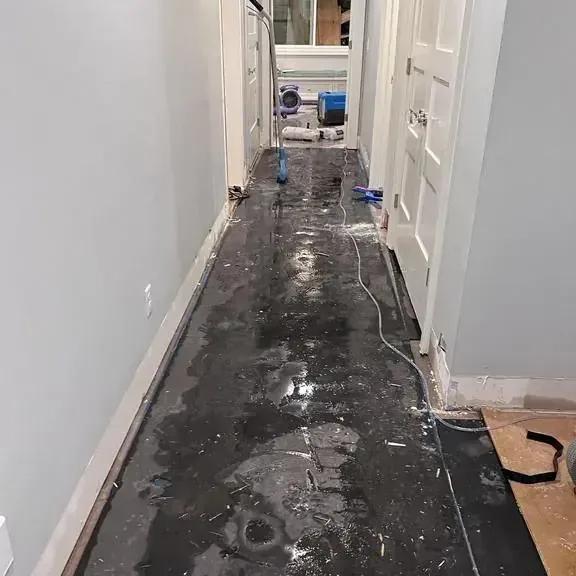
In August 2018 the Pioneer Press reported that five homeowners had settled a lawsuit with the City of Mahtomedi over flooding in their yards and homes. The city did not admit fault. The story is still useful, because it shows how stormwater can reach a basement and what owners can do when it does.
Key takeaways
- The flooding the Pioneer Press described was along Warner Avenue north of Fernwood Street, where a runoff culvert built between 2014 and 2016 sometimes backed up in heavy rain.
- The homeowners' attorney said homes and yards flooded once or twice a month and that 6 inches of water once stood in one basement.
- The city's attorney said the backups sometimes happened when various items clogged the pipe under Fernwood Street.
- Stormwater in a basement is handled as contaminated water, so porous materials it touched are usually removed.
- Dated photos of each event give a clear record for the city, the insurer or both.
What the 2018 report said
Between 2014 and 2016 the City of Mahtomedi built a runoff culvert in the back yards of homes along Warner Avenue, north of Fernwood Street. The culvert was 15 feet wide and was meant to carry rain into a drainage pipe under Fernwood Street, but water sometimes backed up during heavy rain.
The homeowners' attorney said the homes and yards flooded once or twice a month and that at one point 6 inches of water stood in one basement. The city's attorney said the backups sometimes happened when various items clogged the pipe under Fernwood Street.
How the settlement ended
In the settlement the city agreed to rebuild pipes, send upstream water into a different culvert, and change pipes and drainage grates. There was no admission of fault by the city.
The facts here are the ones that were reported, and they are used only to explain how runoff problems tend to unfold.
- Water arrives in the yard first, then finds its way to window wells, doors and the foundation
- A single clogged pipe or grate can turn heavy rain into a backup
- Repeat events matter, because each one leaves a wet basement to dry again
Where stormwater gets into a house
Stormwater enters a basement through window wells, doors, cracks in a foundation wall and floor drains. A yard that slopes toward the house, or a downspout that empties at the foundation, sends water to those entry points.
Many of these paths can be closed or slowed before a storm. Clear the window wells, check that downspouts empty away from the wall and keep the ground sloping away from the foundation.
None of that replaces a working drainage system, but it reduces the load on one.
- Window wells that fill and spill over the sill
- Doorways at the bottom of an outside stairwell
- Cracks and joints where a foundation wall meets the floor
- Floor drains that back up when the pipe outside is full
- Downspouts that empty close to the wall
Why stormwater is not clean water
Water that has run across yards, streets and drainage pipes picks up soil, fertilizer and bacteria on the way. When it enters a house it is handled as contaminated, which changes the plan for basement water damage.
What 6 inches of water means for materials
Six inches of water in a basement reaches well above the bottom of a wall. It soaks carpet, pad and the bottom of the drywall, and it can sit against stored boxes and furniture.
Drywall wicks water upward, so the damage reaches above the waterline. Moisture readings show how far it climbed, and the cut height is set above the highest wet reading.
- Carpet and pad: fully soaked and usually removed
- Baseboards and trim: taken off to expose the bottom of the wall
- Drywall: cut above the highest wet reading
- Insulation behind the drywall: removed if it is wet
- Stored boxes and furniture: sorted for cleaning or disposal
First steps when stormwater reaches the house
The order of the first steps matters more than speed. Safety comes first, then the water, then the record.
- Stay out of a basement with standing water if outlets or the panel are at floor level
- Have power to the wet area shut off at the panel, from a dry spot or by an electrician
- Photograph the waterline, the source and the damage with the date visible
- Move belongings off the wet floor, starting with anything electronic
- Start water extraction so the water does not sit in the walls
What the cleanup removes and what it dries
Standing water is pumped out first, then wet carpet and pad are lifted. Drywall that wicked water upward is cut above the waterline, and wet insulation is removed.
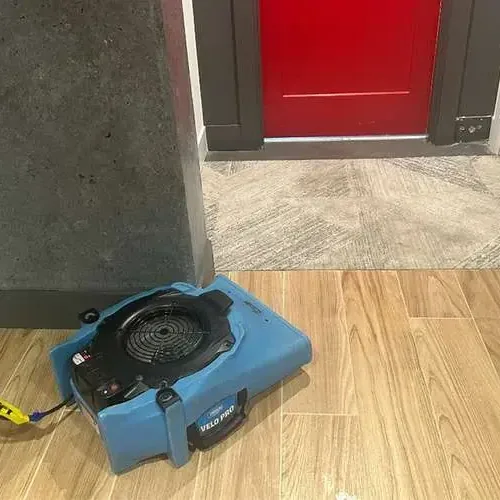
Concrete, framing and solid wood are cleaned and dried with air movers and dehumidifiers until readings return to normal. The flood water cleanup plan includes cleaning surfaces that the water touched.
Repeat flooding and the drying cycle
The homeowners' attorney said the homes and yards flooded once or twice a month. Repeat events mean the drying has to be verified each time, because materials that never reach a dry reading stay damp and can grow mold.
If a basement takes on water more than once, each cleanup needs its own readings and records. Materials that were only partly dry from the last event are the first to fail.
- Log the date, depth and source of every event
- Keep the readings from each drying job
- Ask the restoration team to note any wet spots that keep returning
- Share the log with the insurer and, where it applies, the city
Keeping runoff moving before it becomes a problem
The city's stormwater page asks residents to keep streets, gutters and storm drains clean and never to use them for dumping. A leaf-clogged grate or an item stuffed into a pipe can turn a manageable storm into a backup.
The same page suggests a rain barrel or rain garden, and for shoreline residents a buffer of native vegetation. Small steps on one lot cannot fix a drainage design, but they keep a yard from adding to the problem.
Questions
Did the city admit fault in the 2018 settlement?
No. The Pioneer Press reported that the settlement came with no admission of fault by the city.
Is stormwater in a basement considered clean?
No. It crosses yards, streets and drainage pipes, so it is handled as contaminated and porous materials it touched are usually removed.
How deep did the water get in the reported flooding?
The homeowners' attorney said that at one point 6 inches of water stood in one basement. That is one reported event, not an average.
What should an owner photograph after a basement floods?
The waterline on the walls, the floor, the source of the water and any damaged belongings, with the date visible in each shot.
Can wet drywall in a basement be dried instead of replaced?
Sometimes, when the water was clean and brief. After contaminated stormwater, drywall that wicked water upward is usually cut out above the waterline.
Who should be told when stormwater enters a basement?
The insurer first and, where public drainage may be involved, the city. Dated photos and a written record of each event make either conversation easier.