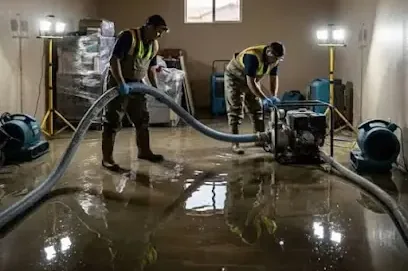
Category 1 water
Clean water from a broken supply
A burst pipe or a failed fixture releases clean water at first, which turns questionable within a day or two, so extraction and drying start quickly.
Water extractionBurst pipes, sump pump failures, sewage backups and leaking water heaters hit Oakdale homes and businesses, and the drying team extracts the water, dries the structure and documents the loss for the insurance claim.
(888) 432-4933Call now about the water damage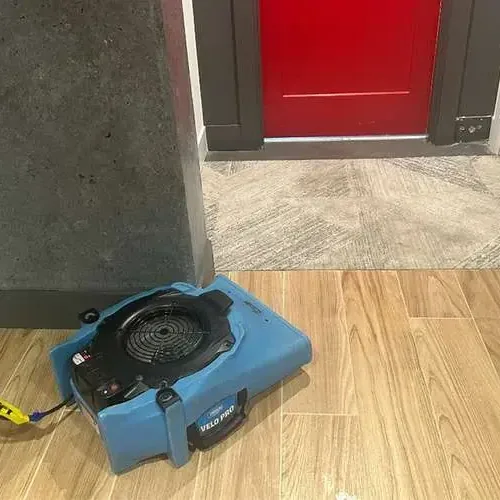 24/7Water dispatch
Water damage cleanup for houses, apartments and shops, from a small appliance leak to a flooded lower level.
(888) 432-4933Wet drywall, framing and flooring behave differently, so the drying team measures moisture first and sets equipment to the materials, not to a guess.
Meters and thermal imaging show where water traveled, including wall cavities and subfloors that look dry.
Clean supply water, gray water and sewage need different handling, so the crew identifies the category before touching anything.
Photos, moisture logs and a written scope go to the adjuster so the claim has numbers behind it.
The work stays focused on water loss, so equipment, crew and process fit the job instead of a general repair.
Stop the source. Shut off the water at the fixture or the main valve, and unplug anything that sits in or near the wet area.
Protect people and belongings. Keep out of any room where water touches outlets, lift small items off wet floors and move valuables upstairs.
Call and describe it. Describe the source, the rooms involved and whether the water looks clean or dirty, so the right equipment is staged.
Photograph the damage. Take wide and close photos of wet walls, floors and damaged items before anything is moved, since the claim file starts there.
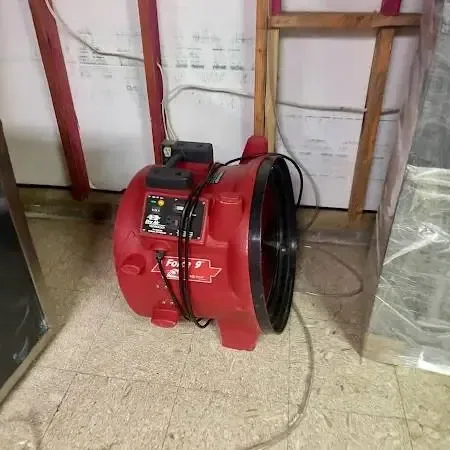
Start the drying. Extraction comes first, then air movers and dehumidifiers pull moisture out of the framing, subfloor and drywall that a mop never reaches.
A burst pipe or a failed fixture releases clean water at first, which turns questionable within a day or two, so extraction and drying start quickly.
Water extraction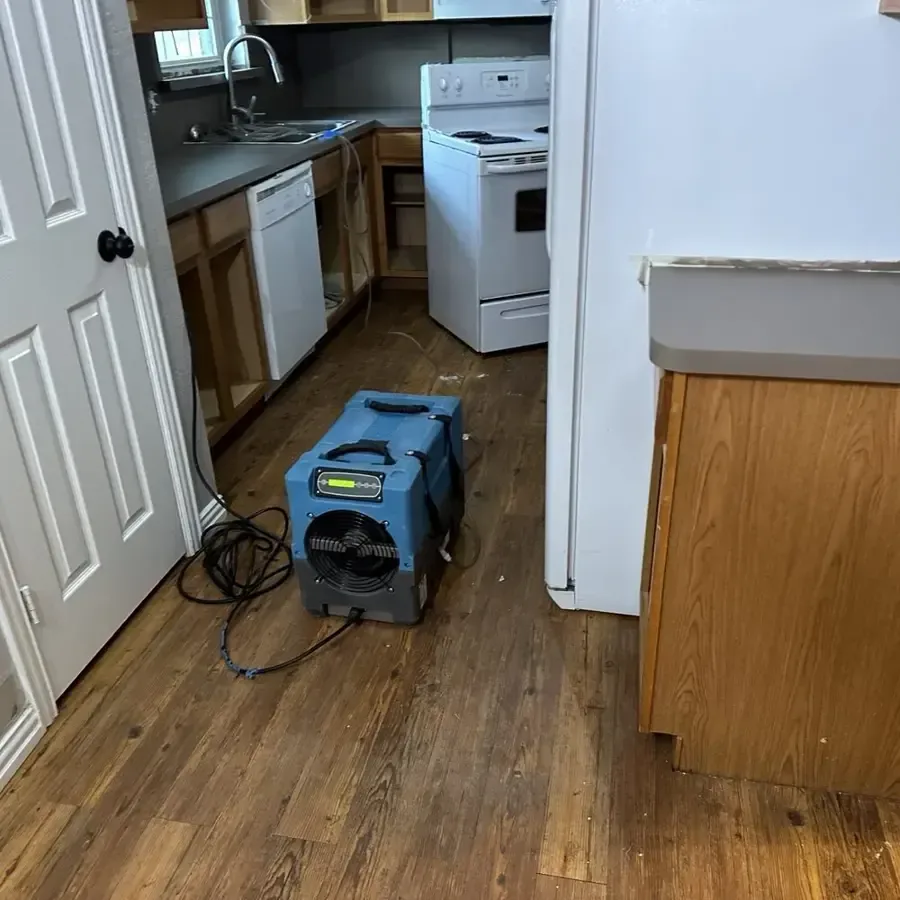
Washers and dishwashers release used water that carries soap and dirt, so cleaning goes along with the drying.
Appliance leak cleanup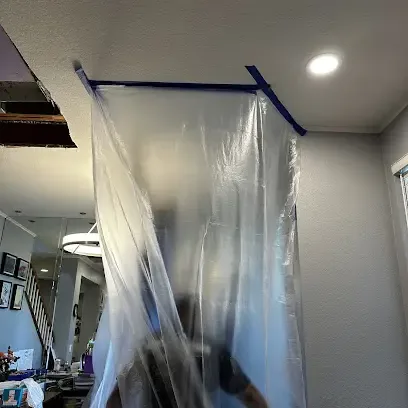
Sewage backups and flood water carry bacteria, so porous materials come out and every surface is cleaned and disinfected.
Sewage cleanup processChoose the situation that matches the damage, from a failed sump pump to a frozen pipe to a sewage backup, and see how that cleanup runs from first call to dry structure.
Water Extraction and RemovalPumps and extraction tools pull standing water out fast, starting where the water settled, which is often the basement.View service
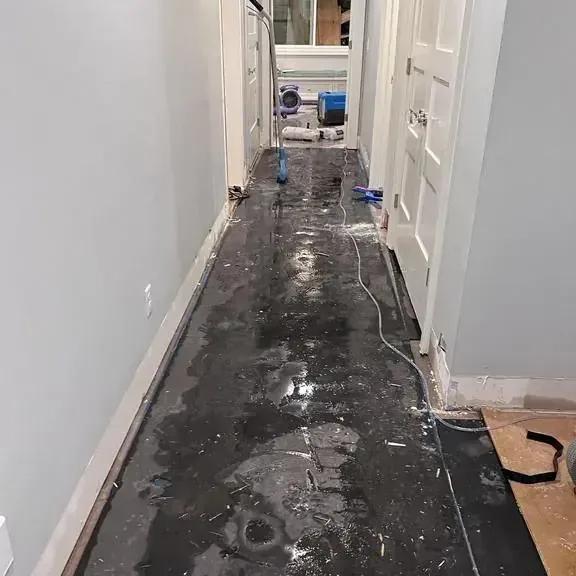 Basement Water DamageWater in a finished or unfinished basement means wet drywall, carpet and framing, so removal and drying run together before anything gets rebuilt.View service
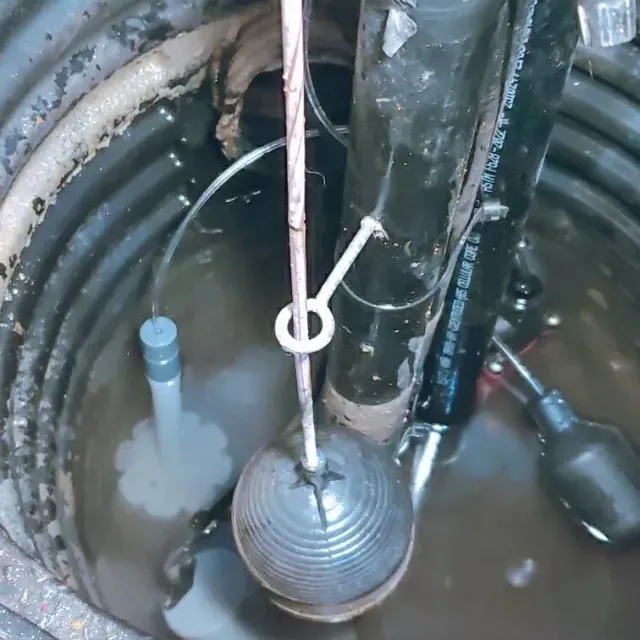 Sump Pump Failure CleanupWhen a sump pump stops during heavy rain, water reaches the basement floor and the crew removes it, then dries the lower level.View service
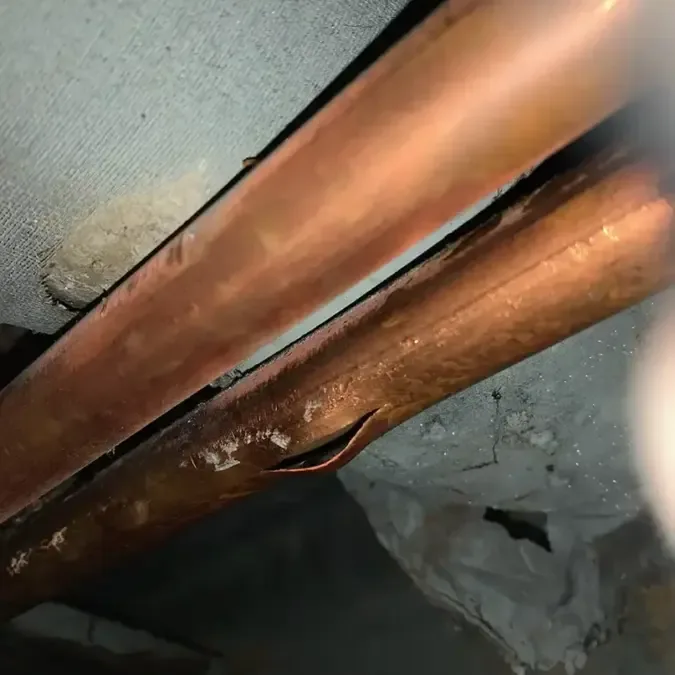 Frozen Pipe Burst CleanupA split pipe can soak a wall, a ceiling and the floor below, so extraction and drying begin together.View service
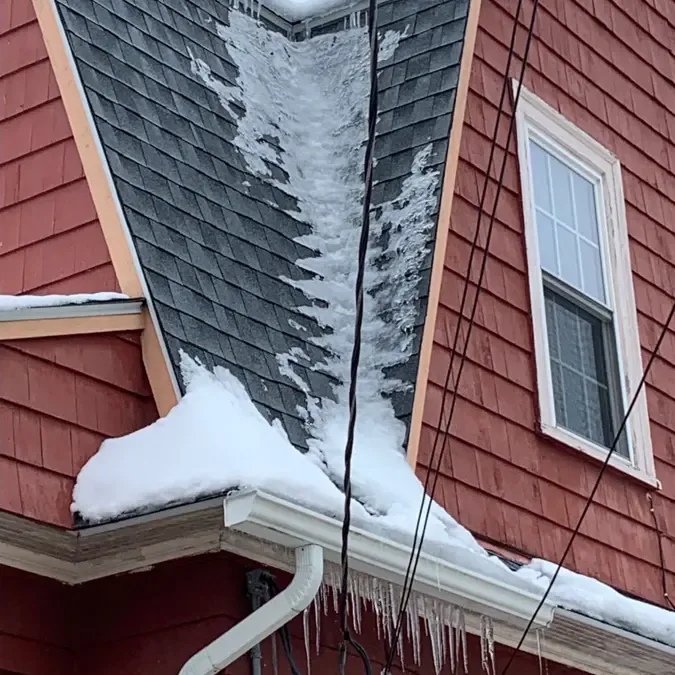 Ice Dam and Roof Leak Water DamageSnow that melts and refreezes at the roof edge can push water into attic insulation and ceilings below.View service
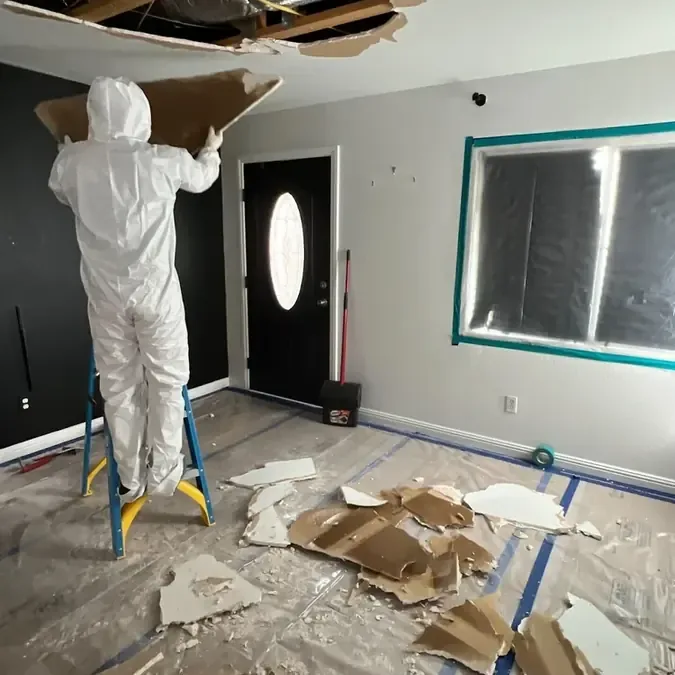 Ceiling Leak Water DamageA sagging or stained ceiling is opened, dried and checked for hidden wet insulation before any repair begins.View service
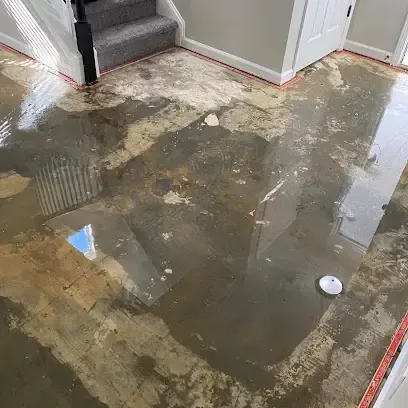 River and Flash Flood CleanupHeavy rain and flash flooding bring muddy, contaminated water that needs extraction, disinfecting and thorough drying.View service
Sewage Backup CleanupA sewage backup is contaminated water, so the area is sealed off, emptied, cleaned and disinfected with protective gear.View service
River and Flash Flood CleanupHeavy rain and flash flooding bring muddy, contaminated water that needs extraction, disinfecting and thorough drying.View service
Sewage Backup CleanupA sewage backup is contaminated water, so the area is sealed off, emptied, cleaned and disinfected with protective gear.View service
 Water Heater Leak CleanupA leaking water heater spreads water across the utility area and into nearby walls, so extraction starts right away.View service
Appliance and Supply Hose LeaksWasher, dishwasher and refrigerator leaks often run unseen, so moisture mapping traces where the water traveled.View service
Water Heater Leak CleanupA leaking water heater spreads water across the utility area and into nearby walls, so extraction starts right away.View service
Appliance and Supply Hose LeaksWasher, dishwasher and refrigerator leaks often run unseen, so moisture mapping traces where the water traveled.View service
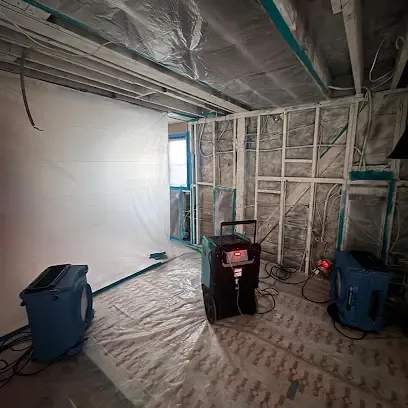
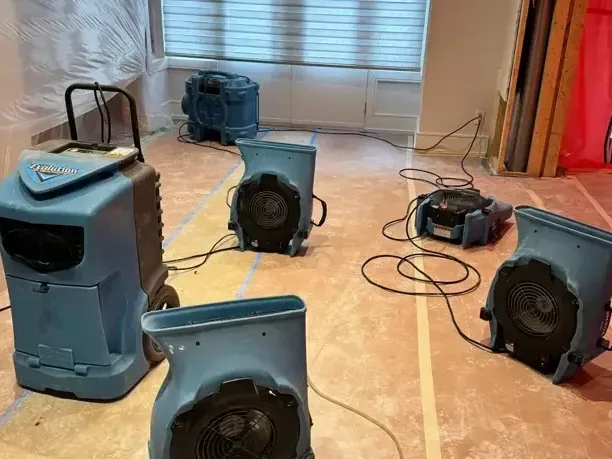 Structural Drying and DehumidificationAir movers and dehumidifiers dry wet walls, floors and framing until moisture readings match dry materials.View service
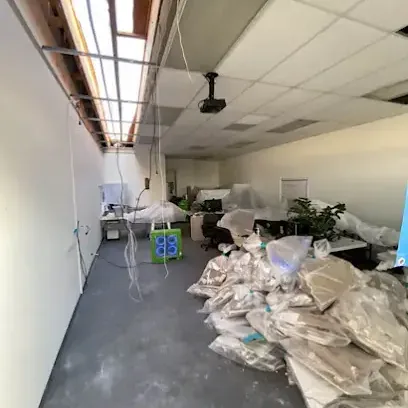 Commercial Water DamageShops, offices and restaurants get water removal and drying planned around the business, with records for the claim.View service
Every job follows the same order: stop the water, remove it, open what is wet, dry it with measured equipment and confirm the readings before closing anything up in the house.
The team finds the source, identifies the water category and seals off affected areas so damage does not travel.
Pumps and wands pull out standing water, then soaked carpet pad, baseboard and wet drywall are removed.
Air movers and dehumidifiers run on a layout based on the moisture map, and readings are logged on each visit.
Final readings confirm the structure is dry, and the file of photos and logs goes to the homeowner for the claim.
Cost depends on how much area is wet, how long the water sat and whether it was clean or contaminated. Most jobs fall inside the ranges below, and a written scope sets the real number once moisture is measured.
These ranges cover mitigation only: removal, extraction and drying. Rebuilding drywall, flooring and paint is quoted separately once the structure tests dry, and the policy often changes what the homeowner pays.
Most water loss claims depend on proof of how far the water spread and how it was dried, so careful documentation begins at the very first visit.
Policies treat sudden leaks differently from slow seepage, so the date the water started matters. Sewage backups and sump overflow often sit under separate endorsements.
Photographs, receipts and the moisture log should reach the adjuster together, and questions about what the policy covers belong with the insurer. The drying team documents the loss but does not decide coverage.
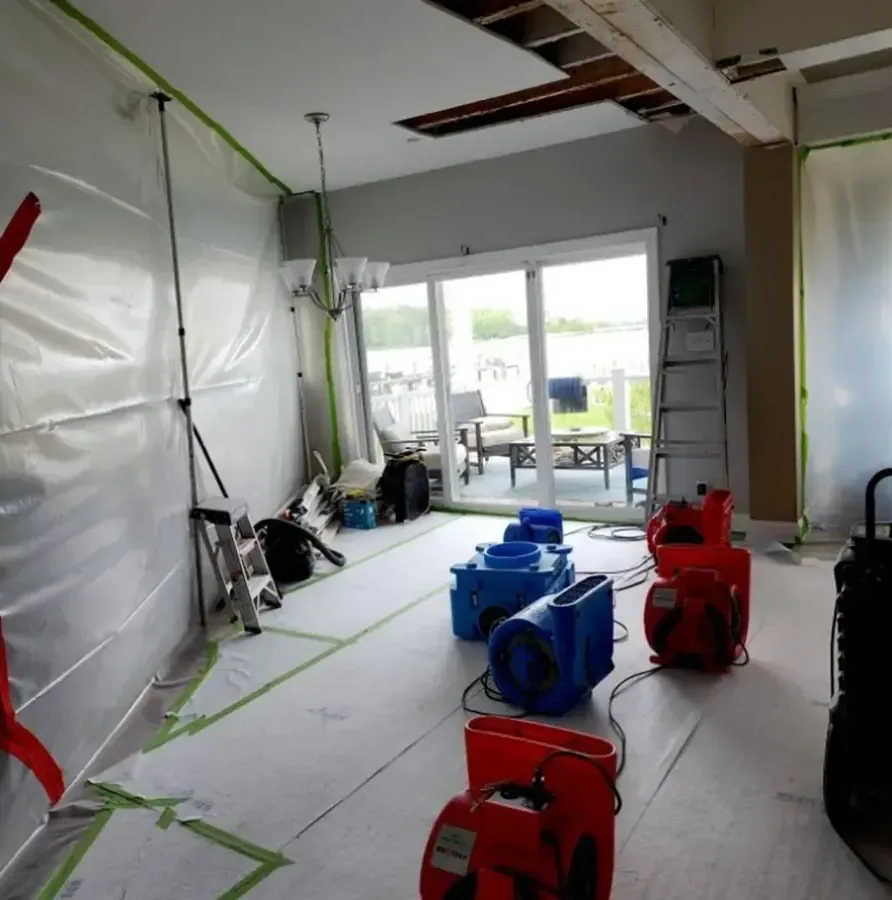
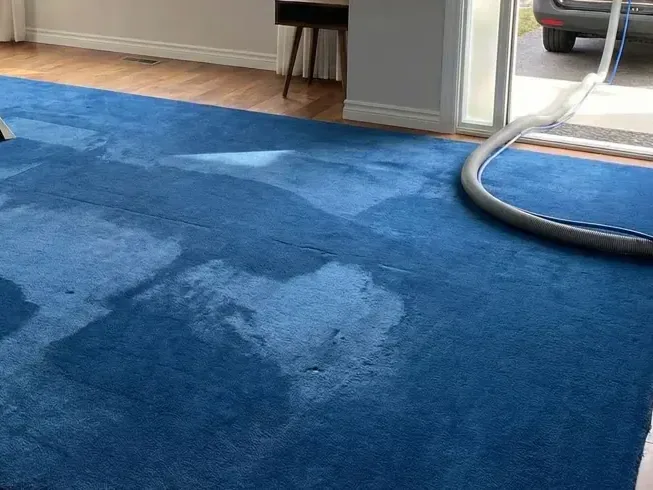
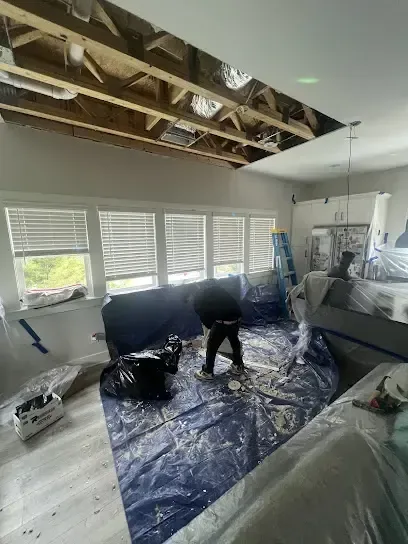
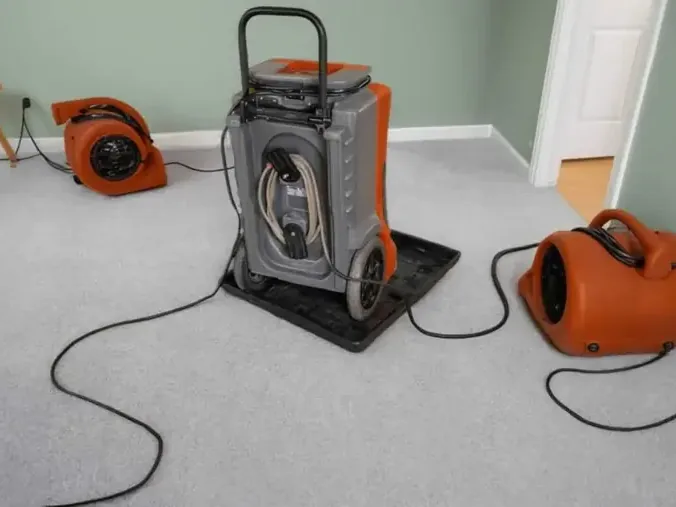
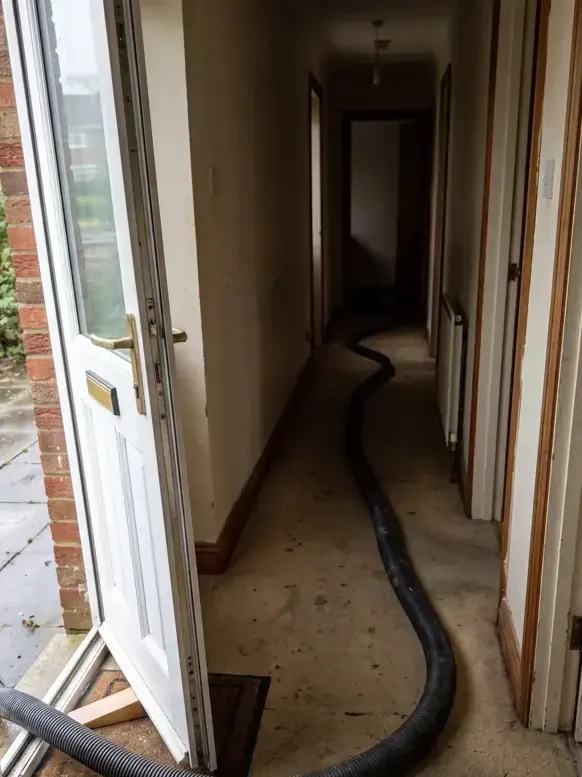
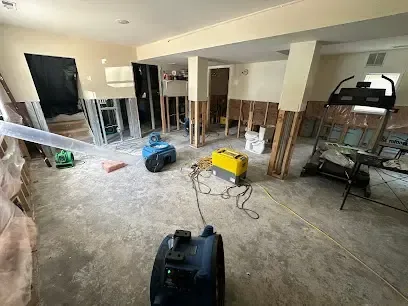
Whether the water started in a basement near Tanners Lake or in a shop along Hadley Avenue North, the drying team brings extraction, air movers and a written plan.
The response team works across the city, from the streets along Interstate 694 on the north edge to those by Interstate 94 on the south edge.
Oakdale, MN · [email protected]
Water trouble in Oakdale usually starts at a few familiar points: the basement water meter, a sump pump during heavy rain, a pipe freezing in winter and the roof edge when snow melts.
The city says most water meters in local homes are in the basement, so a leak at the meter or the pipe beside it wets the lower level first.
The city warns that a basement cold enough to freeze the meter is a problem, especially when a renovation put the meter behind a wall or panel.
For absences of three months or more, the city will shut the water off at the curb, which can help prevent leaks and frozen pipes.
When a sump pump stops or cannot keep up during heavy rain, groundwater can reach the basement floor before anyone notices.
The East Metro profile counts 339 homes built in 1939 or earlier and 658 built in 2010 or later, so materials differ and drying plans are set house by house.
December 2017 A large water main break opened a sinkhole beneath Interstate 694 on a Sunday morning, closed the interstate both ways and advised residents to conserve water.
Describe what happened and which rooms are wet, and the response team will explain the likely scope before any work begins.
(888) 432-4933 (888) 432-4933Call and ask a questionWater wicks into drywall, carpet pad and framing within hours, and mold can start growing within a couple of days, so extraction and drying should begin as early as possible because delay adds to the repair bill.
The city says a leak before or after the meter belongs to the homeowner, who must hire a plumber and then ask Oakdale Public Works to turn the water off at the street. Drying begins once the leak is stopped.
Shut off the water at the main valve, switch off power to wet areas if it is safe, move belongings out of the way and photograph the damage before calling for extraction and drying help.
Yes. Standing water soaks into drywall, carpet and stored belongings and can carry bacteria, so extraction should not wait. If the water is still rising, stay out of the area until the power is off.
Coverage varies by policy. Many standard policies exclude sump pump overflow unless an endorsement was added, so the policy language and the adjuster decide, and the cleanup records support the claim.
The affected area is sealed off, standing sewage is extracted, porous materials such as carpet and drywall are removed, and hard surfaces are cleaned and disinfected before drying starts, and everyone stays out of the area until then.
Usually not. Equipment runs in the affected rooms while the rest of the home stays usable, though fan and dehumidifier noise is constant, and sewage or flood jobs may need areas closed off completely.
Often in part. Work on commercial water damage is phased so unaffected suites, shops or dining areas can stay open, and the moisture logs and photos help support a business interruption claim.
A moisture map is a set of meter and thermal readings that marks wet and dry areas on floors, walls and ceilings. It guides where structural drying equipment goes and what has to be opened.
They run continuously until readings show the materials are dry. Technicians return to check moisture and move equipment, and the drying stops only when the readings match a dry reference.
Describe the damage by phone and the drying team lays out the extraction, drying and cleanup the situation needs.
(888) 432-4933Call to stop the spread