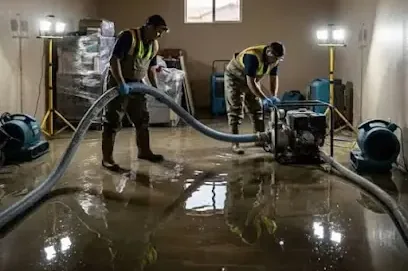
Category 1 water
Category 1: clean supply water
A broken supply pipe or overflowing sink starts out clean, but it turns gray fast once carpet and pad stay wet. Speed decides how much survives.
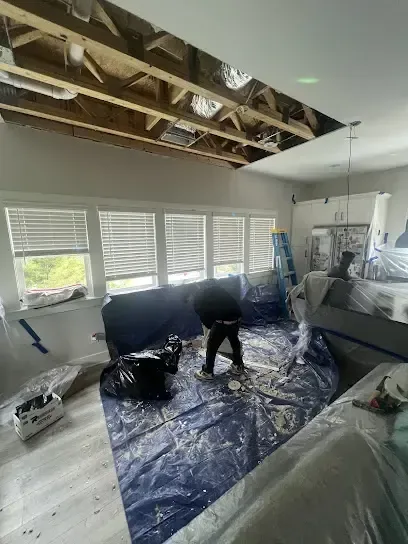
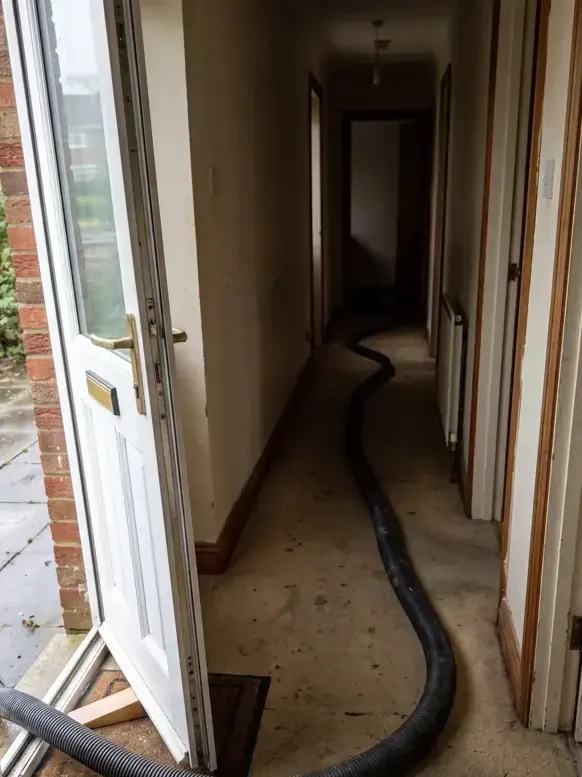
See water extractionBurst pipes, failed sump pumps, roof leaks and rising river water all leave the same mess: soaked floors and wet framing. The extraction crew removes standing water first, then the drying team works until the readings come back dry.
(888) 432-4933Call for water removal help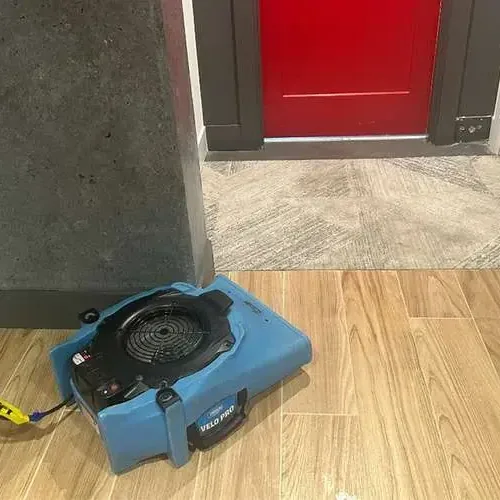 24/7Water dispatch
Active leaks, backed-up drains and flood water are urgent at any hour. Say what is wet when you call.
(888) 432-4933Water hides inside walls and under flooring long after the surface looks fine. The drying team finds it with meters and keeps working until the readings prove the structure is dry.
Meters and thermal imaging show where water travelled, so nothing is cut open without a reason.
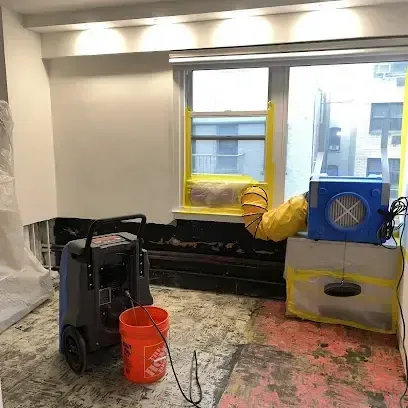
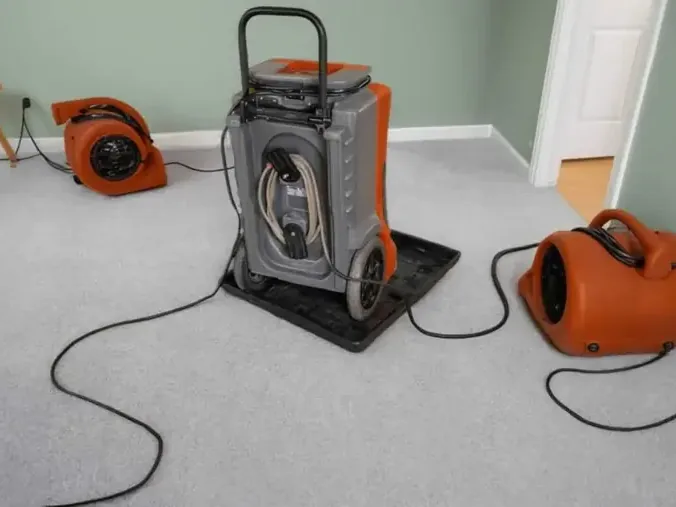
Air movers and dehumidifiers are placed by room volume and material, not by a fixed formula.
Each visit records progress, so everyone can see when the drying goal is actually reached.
The work stays on water, flood and sewage losses, which keeps the process focused and the pricing clear.
Stop the source. Shut the main valve or close the supply to the leaking appliance. Never wade into standing water near plugged-in equipment.
Cut the power. If water has reached outlets, cords or the panel, leave the electricity off and stay out until an electrician says it is safe.
Lift what you can. Move rugs, small furniture and electronics onto dry ground. Paper, fabric and upholstery are ruined quickly by wet floors.
Photograph everything. Take wide and close photos of the water, the damage and appliance labels before anything moves. Adjusters rely on these.
Call the crew. Describe the source, the rooms affected and how long the water has run so the right gear is planned.
A broken supply pipe or overflowing sink starts out clean, but it turns gray fast once carpet and pad stay wet. Speed decides how much survives.
See water extraction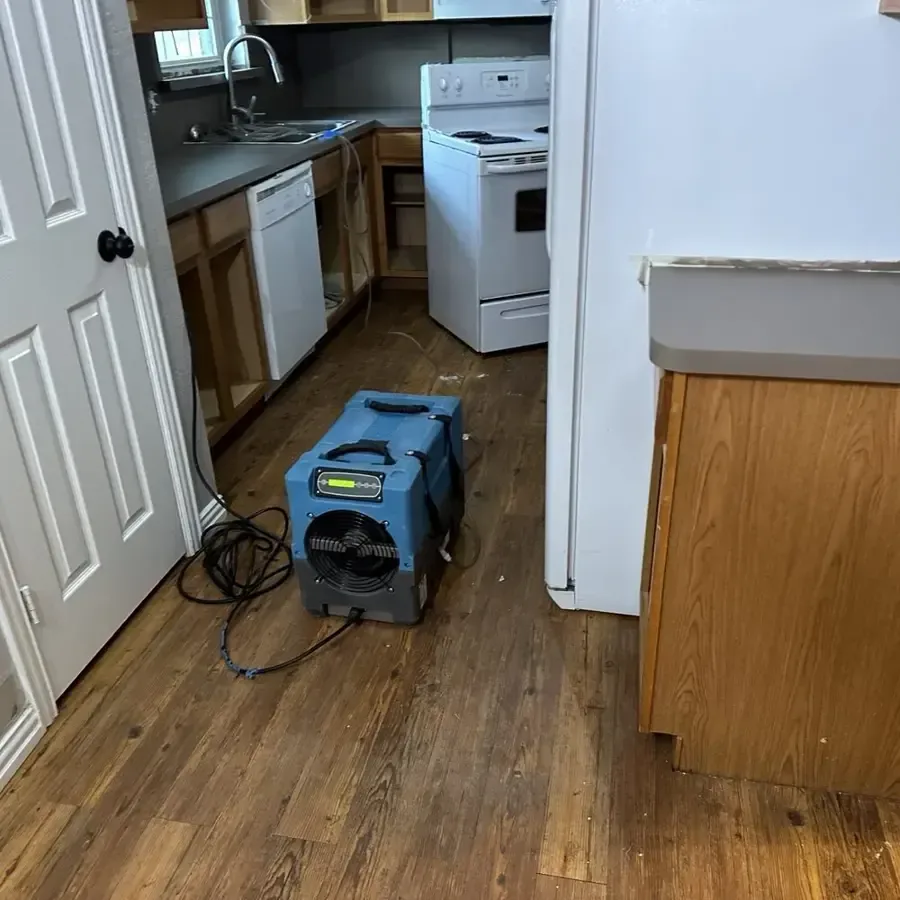
Washer and dishwasher leaks carry soap and some contamination. Porous materials usually come out instead of drying in place.
See appliance leaks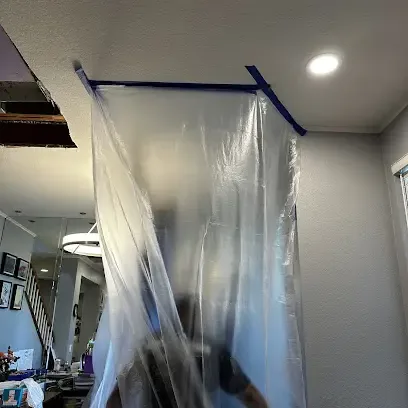
Drain backups and rising river water carry bacteria. Containment goes up, soaked carpet and drywall are discarded, and hard surfaces are scrubbed and disinfected.
Sewage cleanup detailsFrom a stained ceiling to a flooded lower level, each loss gets its own removal and drying plan. Pick the closest match below to see how the work runs.
Water Extraction and RemovalPumps and wand tools pull standing water off floors first, since wet carpet, pad and framing soak up more every minute.View service
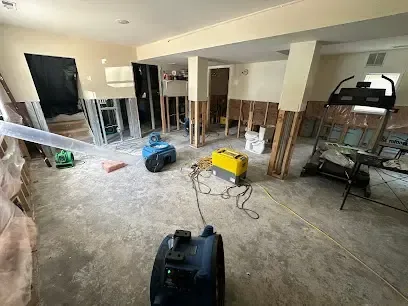
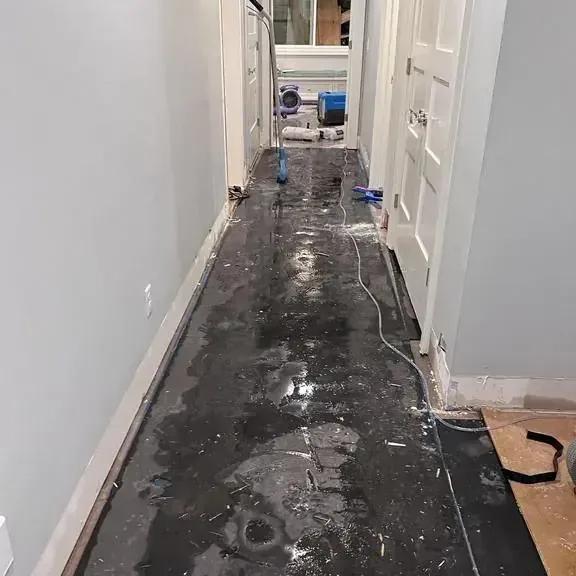 Basement Water DamageWater is pumped from the wet lower level, soaked drywall and carpet are cut out, and the framing and floor are dried.View service
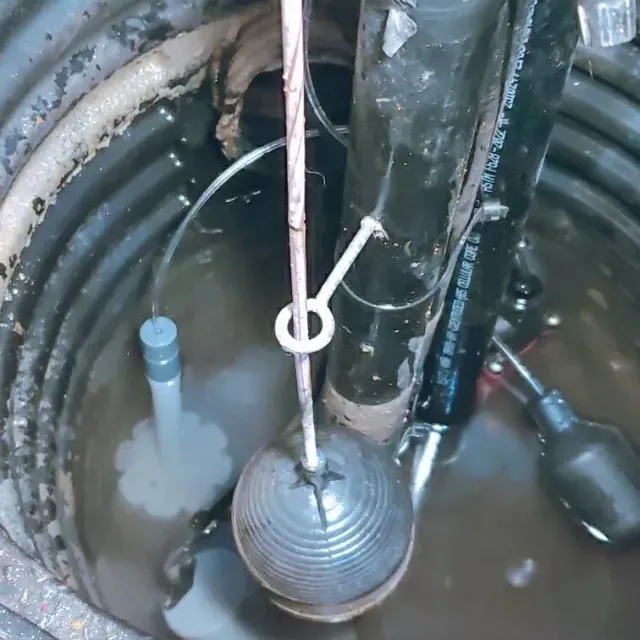 Sump Pump Failure CleanupWhen a pump quits or the pit overflows, the crew empties standing water and dries everything it reached.View service
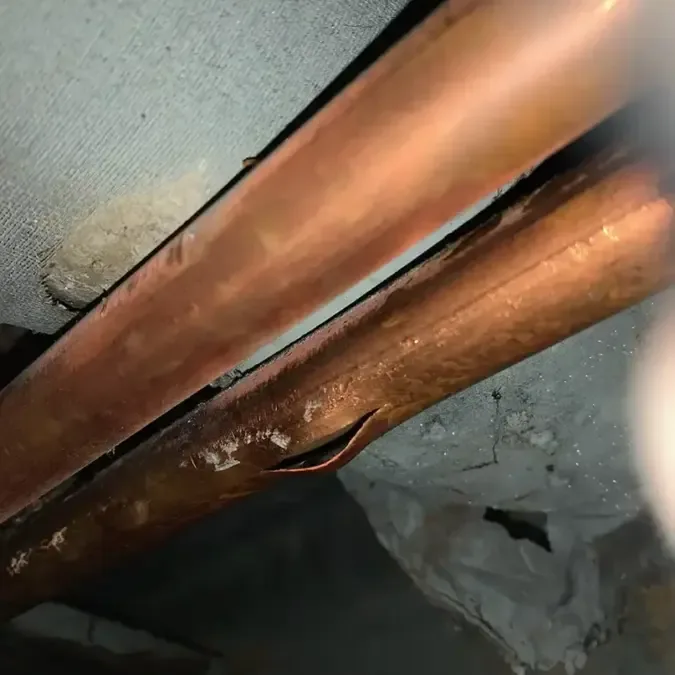 Frozen Pipe Burst CleanupA split pipe soaks walls and the ceiling below. The team removes the water and opens wet cavities to dry.View service
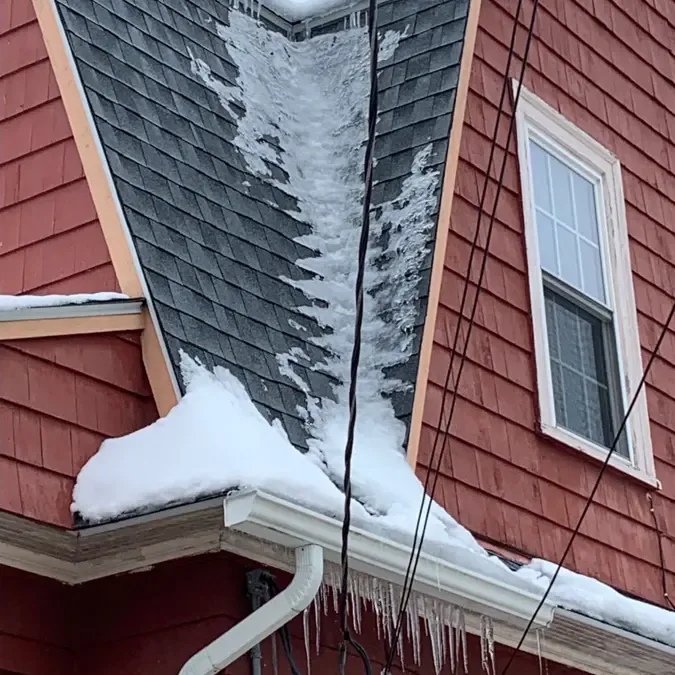 Ice Dam and Roof Leak Water DamageMeltwater backed up under shingles stains ceilings and soaks insulation. Wet materials come out and the space dries.View service
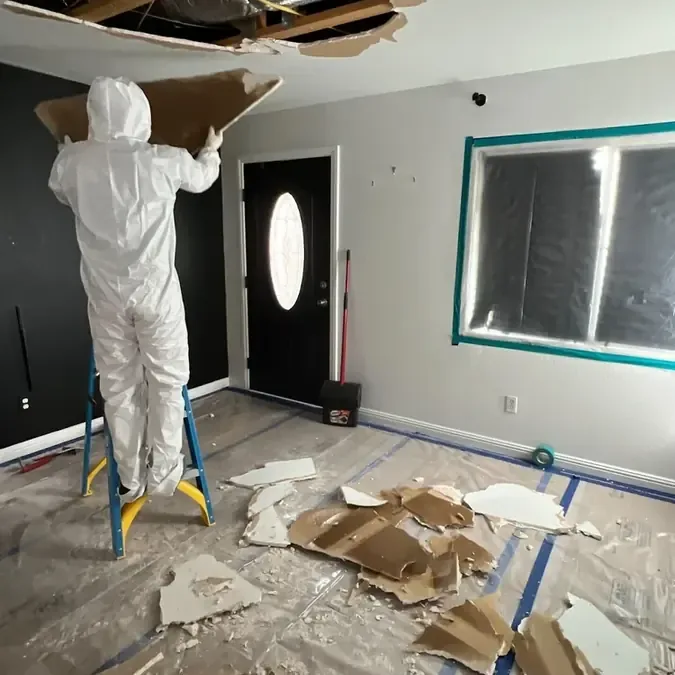 Ceiling Leak Water DamageA stained ceiling means water is trapped above it. The source is traced and the wet cavity is opened and dried.View service
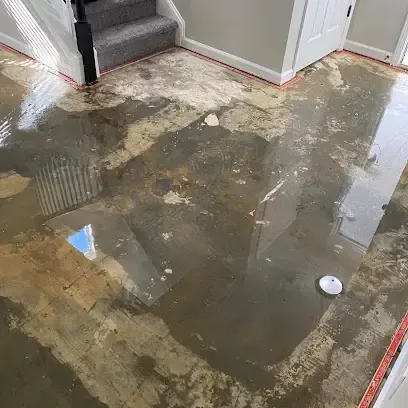 River and Flash Flood CleanupRiver and storm flooding carries silt and bacteria indoors. Water goes out, ruined materials are removed and the structure is dried.View service
Sewage Backup CleanupBacked-up drain water is treated as contaminated from the start, with sealed work areas and every touched surface scrubbed.View service
River and Flash Flood CleanupRiver and storm flooding carries silt and bacteria indoors. Water goes out, ruined materials are removed and the structure is dried.View service
Sewage Backup CleanupBacked-up drain water is treated as contaminated from the start, with sealed work areas and every touched surface scrubbed.View service
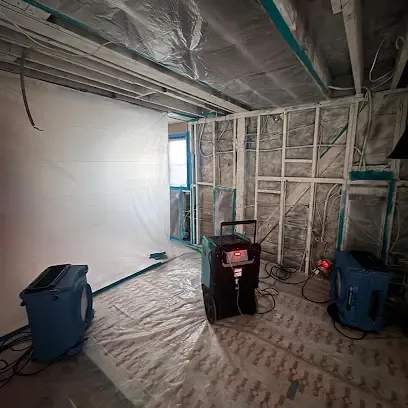 Water Heater Leak CleanupA failed tank can empty a lot of water onto a floor. The water is removed and the wet area dried.View service
Appliance and Supply Hose LeaksWasher, dishwasher and refrigerator hoses leak quietly under flooring. Moisture is mapped and wet floors are dried or lifted.View service
Water Heater Leak CleanupA failed tank can empty a lot of water onto a floor. The water is removed and the wet area dried.View service
Appliance and Supply Hose LeaksWasher, dishwasher and refrigerator hoses leak quietly under flooring. Moisture is mapped and wet floors are dried or lifted.View service
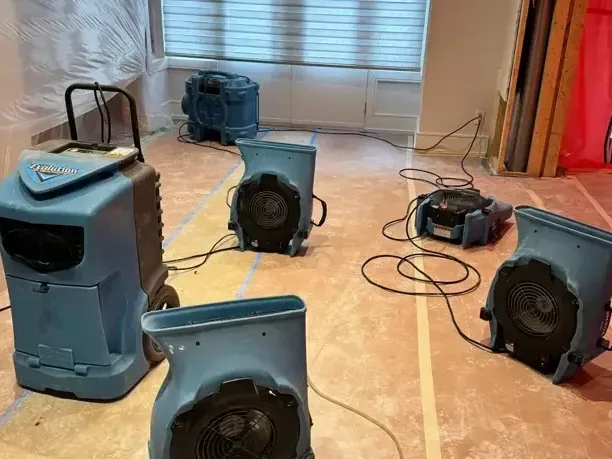 Structural Drying and DehumidificationAir movers, dehumidifiers and daily readings carry framing, subfloor and wall cavities from wet to dry.View service
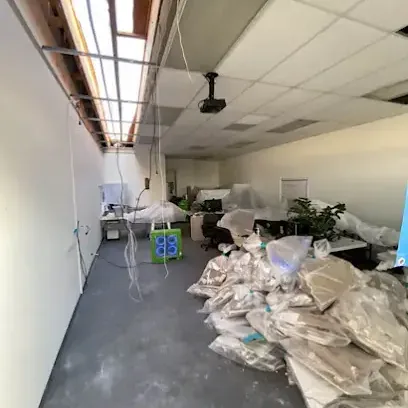 Commercial Water DamageShops, offices and restaurants lose income while wet. Drying is planned around the business, one suite or the whole building.View service
Drying follows the IICRC S500 method: set a goal from unaffected materials, then compare each day's readings against it. The equipment stays until the numbers match, however dry the room feels.
Moisture is measured in dry parts of the home so the target comes from the house itself, not a chart.
Air movers and dehumidifiers are placed to push moist air out of cavities, corners and under cabinets.
Every visit repeats the readings, moves equipment where the numbers lag and removes anything that cannot dry.
Final measurements across every affected surface confirm the drying goal before the equipment leaves.
Cleanup usually lands between $600 and $20,000 for a typical home. The amount of wet material, not square footage alone, decides where a job falls, along with equipment days, demolition and the water category.
The final number follows the water category, how long materials stayed wet and how much drywall or flooring has to go. A written scope should come before work begins.
Adjusters work from evidence, so the record built during the first visit matters. Photos, moisture readings and equipment logs show what the water did and what the drying required.
Stop the water at its source, move valuables and keep damaged items until the adjuster has seen them. Throwing out carpet or drywall too early can weaken a claim.
Contact the insurance company early and ask what it requires for emergency mitigation. Keep the policy number handy, note who said what, and save every receipt.
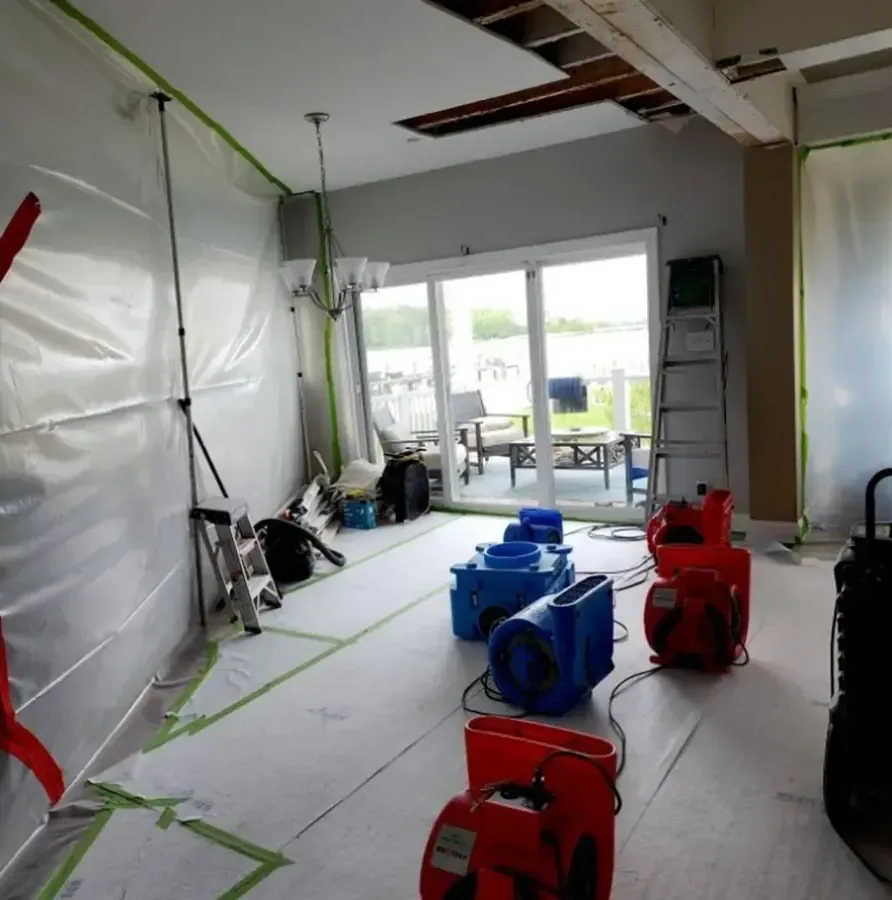
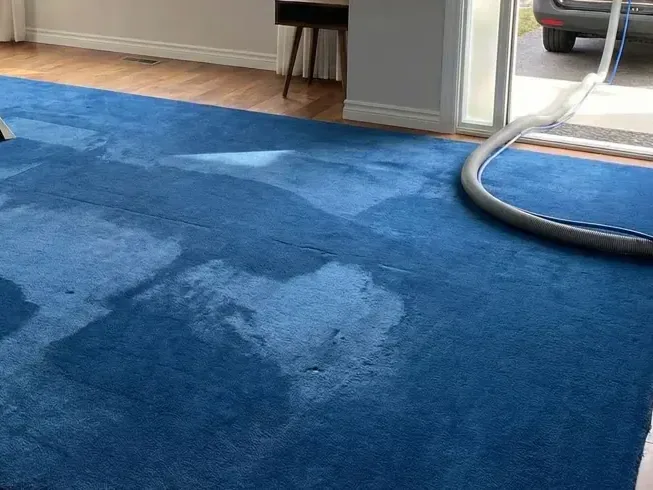
The drying team covers the whole city and the village of North Hudson, including the riverfront, historic downtown and neighborhoods such as Stonepine and Troy Burne Village.
A call with the address, the water source and the rooms affected is enough to start. Photos can follow once the water has been stopped.
Hudson, WI · [email protected]
Hudson is a river city on the St. Croix River with bluffs along the water, and the river's flood record shapes how owners think about water. Pipes, roofs and drains cause their own losses all year.
A 2011 Hudson Patch article citing the National Weather Service puts flood stage at 687 feet and the 1965 record at 694 feet. High water brings contaminated floodwater into low areas.
Spring river level depends on snow, rain, temperature and the speed of the melt, according to a marina's harbor master. In 2010 the river crested once in March and again in October.
Hard freezes are an Upper Midwest pattern that Hudson shares with the Twin Cities metro area. A frozen supply pipe can split and release water inside a wall for days before anyone notices.
Repeated snow and thaw across the region can push meltwater under shingles and into attics and ceilings. Ice dam leaks tend to show up as ceiling stains after the thaw.
The City of Hudson provides sanitary sewer service to the vast majority of homes and businesses in the city and North Hudson. A backup brings Category 3 water indoors, the starting point for sewage backup cleanup.
April 27, 2001 The near-record spring flood reached the top mark on a marina's flood pole and destroyed its two buildings and two rental properties. A new facility opened in 2002.
Stop the source if it is safe, then call. The crew needs the water source, the rooms affected and how long everything has been wet.
(888) 432-4933 (888) 432-4933Call to start water removalWet drywall and carpet start breaking down within hours, and mold can begin to grow within 24 to 48 hours. Pulling out the water quickly limits how much material has to be thrown away.
Clean-water carpet is sometimes lifted, dried and put back. Drywall that stayed wet, or touched sewage or river water, is usually cut out. Moisture readings decide each case.
Clean water comes from supply pipes, gray water carries some contamination from appliances, and black water comes from sewage or river flooding. The category sets the protective steps and which materials can stay.
Most rooms need roughly 3 to 5 days of structural drying, though thick materials and hidden cavities can need longer. Daily readings show when the goal is met.
Air movers lift moisture off wet surfaces, and dehumidifiers pull that moisture out of the air so it does not settle somewhere else. Using only one leaves the job half done.
Sudden, accidental leaks such as a burst pipe are often covered, while slow seepage and outside flooding often are not. River flood coverage is usually a separate policy, so the wording decides.
Yes. River water carries silt and bacteria, so it is treated as Category 3 during flood water cleanup. The crew removes porous materials that soaked it up, cleans hard surfaces and dries the structure.
Stop the source if it is safe, leave the power off in wet areas, move small items to dry ground and photograph the damage. Then keep damaged materials until an adjuster has seen them.
The mitigation work covers extraction, removal of wet materials and drying. Rebuilding is a separate repair job, so the written scope and photos should be kept for the contractor and the insurer.
Often partly. The crew can section off wet areas, run equipment around opening hours and dry one suite at a time, depending on how far the water spread and how the space is used.
Describe the leak or flood by phone and the crew plans pumps, drying equipment and next steps around it.
(888) 432-4933Call about your water damage