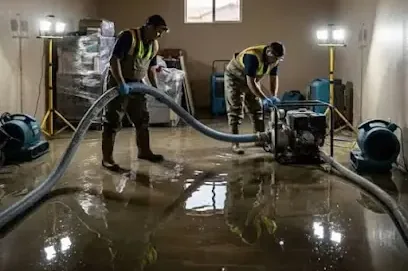
Category 1 water
Clean water from a supply pipe
A split pipe, a water heater or a washer hose starts out as Category 1. Caught early, carpet and drywall can often be dried without tearing them out.
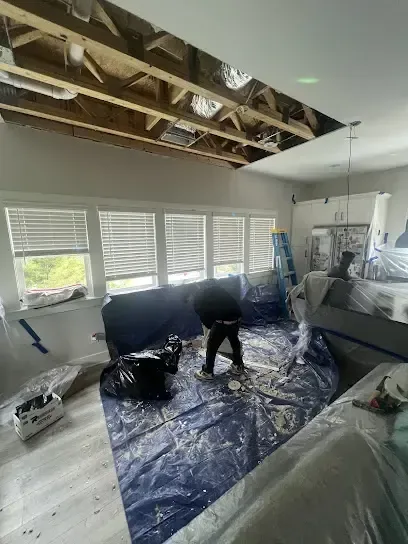
See water extractionWater from a split pipe, a failed appliance or a backup keeps spreading after the source stops. The drying team extracts it, maps every wet wall and floor, and dries the house to the IICRC S500 standard.
(888) 432-4933Call about water spreading across the floor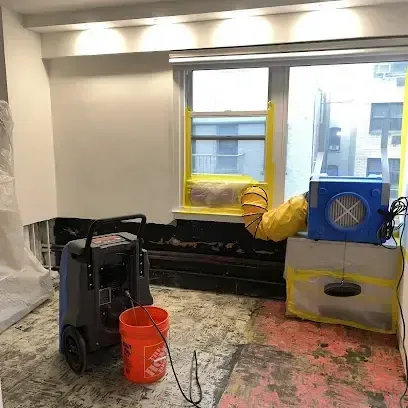 24/7Water dispatch
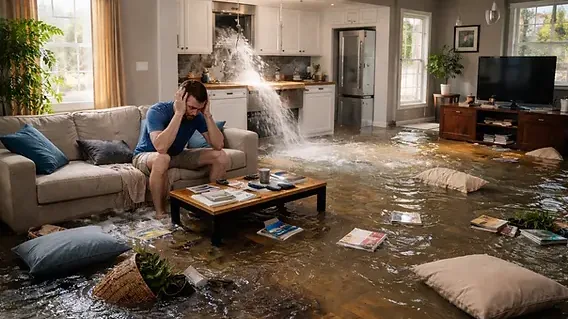
Water spreading across a floor or dripping from a ceiling right now? The longer it sits, the deeper it soaks.
(888) 432-4933Moisture hides in carpet pad, wall cavities and subfloor where a hand cannot feel it. Local restoration pros locate it with meters and thermal imaging and keep drying until the readings agree.
The response team runs 24/7, and active water on a winter night or a holiday weekend is treated as urgent.
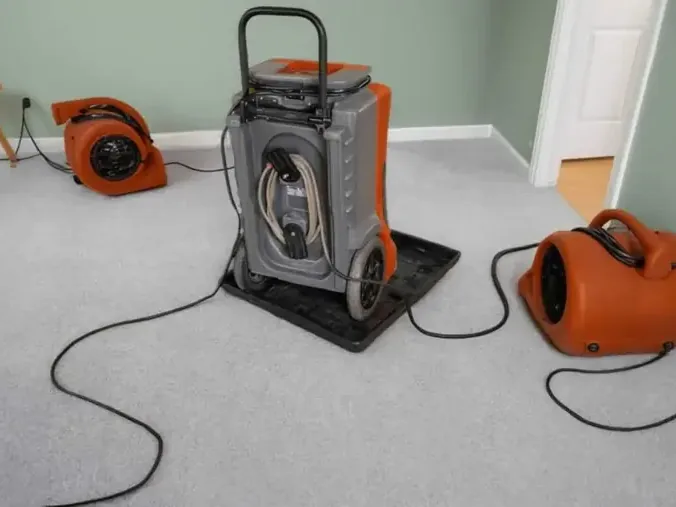
Every job follows the industry's written drying standard: the moisture map comes first, then air movers and dehumidifiers matched to the class of loss and read daily.
Dated photos taken before demolition, the moisture map and daily psychrometric logs become the record the adjuster works from.
Older homes on private septic and newer homes on municipal sewer back up differently, so the walkthrough checks which applies.
Close the main valve. Shut the main where the water service enters the house, or the valve on the fixture that failed, so the water stops growing.
Switch off wet circuits. Turn off breakers for outlets and appliances near standing water, and stay out of water that is deep or near the panel.
Stop using the drains. If water is backing up through a drain, stop flushing, showering and running laundry, whether the house is on septic or sewer.
Photograph before cleanup. Take wide shots and close-ups of the high-water mark, the floors and damaged contents before anything is moved or thrown out.
Call before it wicks. Wet drywall draws water upward within hours, and growth can start on damp materials in 24 to 48 hours.
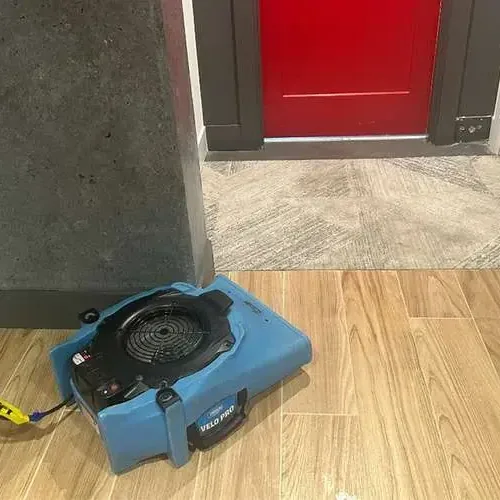
A split pipe, a water heater or a washer hose starts out as Category 1. Caught early, carpet and drywall can often be dried without tearing them out.
See water extraction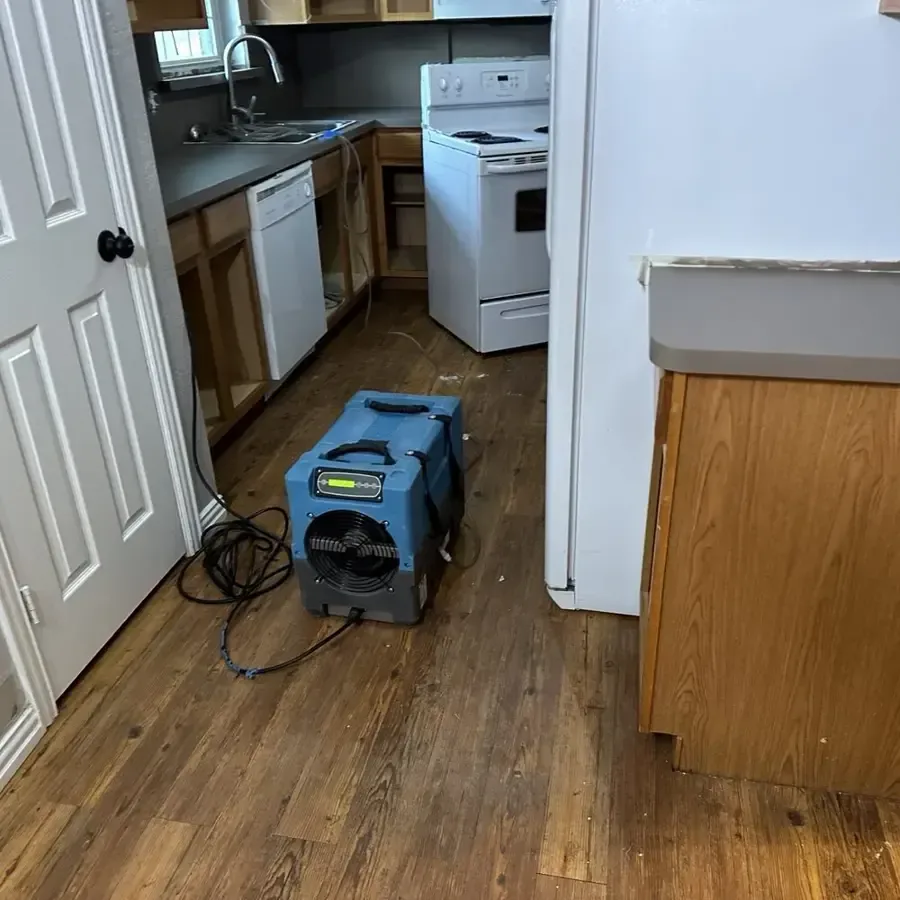
Dishwasher and washer drain water and sump overflow count as Category 2. Pad usually comes out and surfaces get an antimicrobial.
See appliance leak cleanup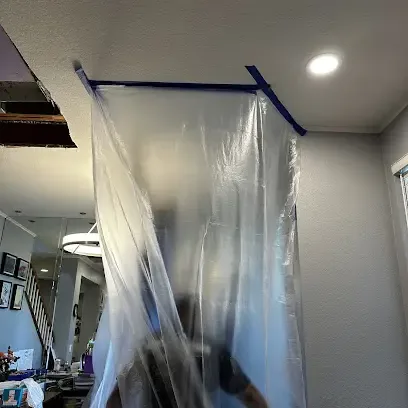
Sewage from a septic system or sewer and surface runoff are Category 3 from the start. Porous materials they touched are removed.
See sewage backup cleanupWater and sewage only, from pumping out the first gallon to logging the last dry reading, for homes on septic in the older areas and on sewer in the newer west.
Water Extraction and RemovalTruck-mounted and portable units pull standing water off floors and out of carpet pad before it climbs the drywall.View service
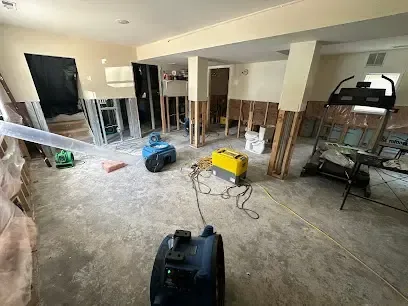
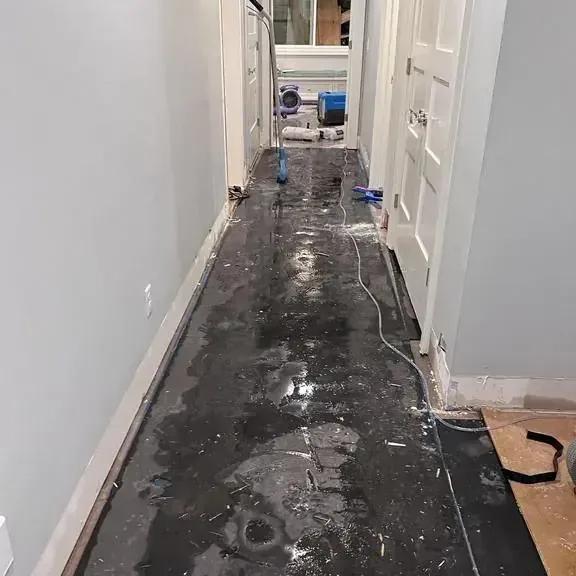 Basement Water DamageLower levels that take water get wall bottoms opened, carpet pulled off the concrete and every wet cavity dried to a reading.View service
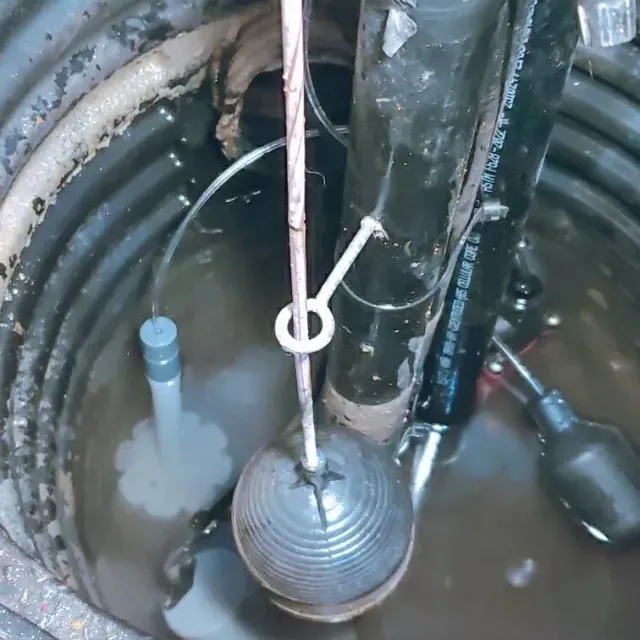 Sump Pump Failure CleanupA pump that quits in heavy rain lets the pit spill over; the crew pumps the floor down and dries what got soaked.View service
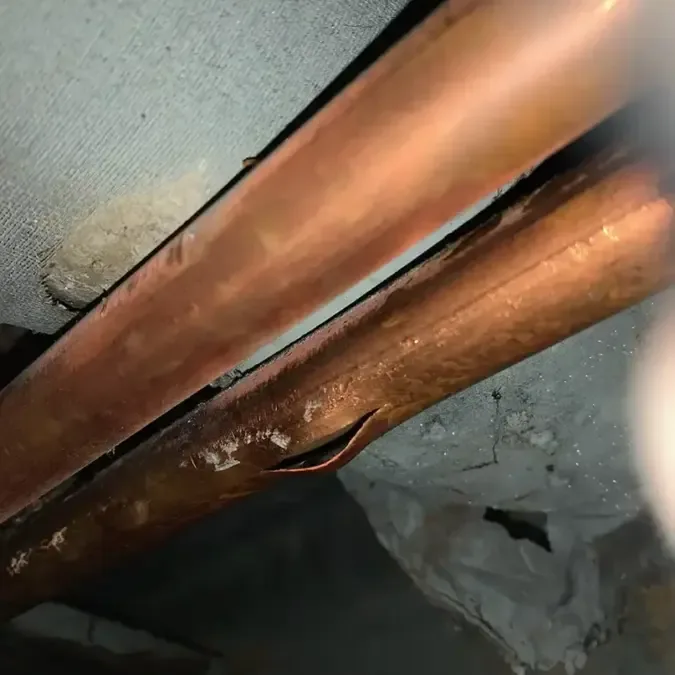 Frozen Pipe Burst CleanupPipes that froze in an outside wall or garage split when they thaw; wet walls get opened, extracted and dried.View service
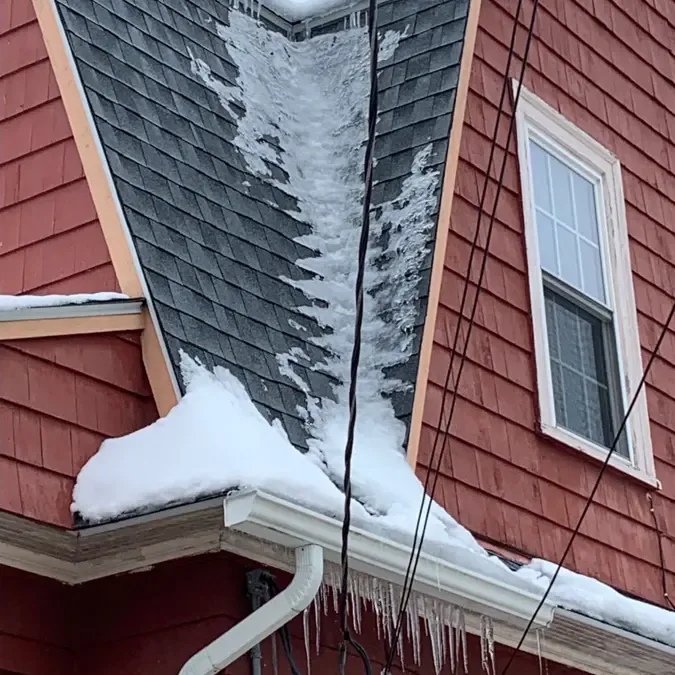 Ice Dam and Roof Leak Water DamageMeltwater trapped behind ice at the eaves soaks attic insulation and runs into ceilings and wall cavities.View service
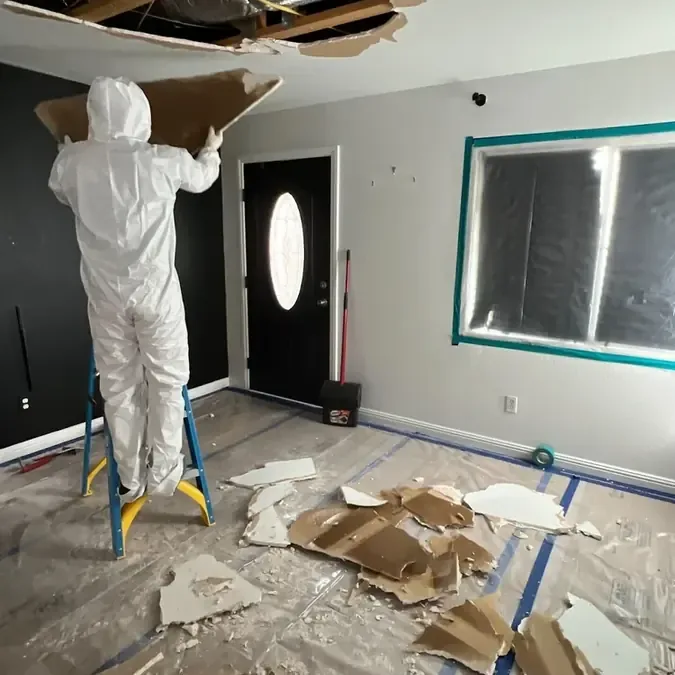 Ceiling Leak Water DamageBath, toilet and supply pipe leaks traced through the ceiling, sagging drywall opened safely and joist bays dried.View service
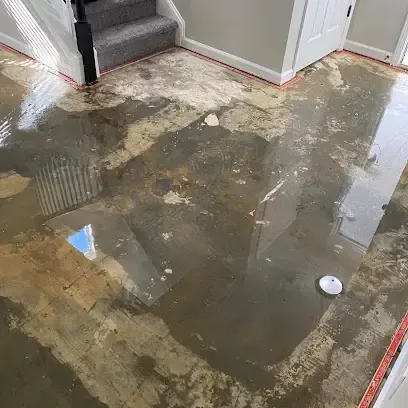 River and Flash Flood CleanupHeavy-rain runoff and surface water handled as Category 3, with mud, pad and wet drywall removed before drying.View service
Sewage Backup CleanupBackups from a home septic system or a sewer connection treated as Category 3, with protective gear and an antimicrobial.View service
River and Flash Flood CleanupHeavy-rain runoff and surface water handled as Category 3, with mud, pad and wet drywall removed before drying.View service
Sewage Backup CleanupBackups from a home septic system or a sewer connection treated as Category 3, with protective gear and an antimicrobial.View service
 Water Heater Leak CleanupFailed tanks caught before the water runs under finished walls, into carpet and through stored boxes.View service
Appliance and Supply Hose LeaksWasher hoses, dishwashers and fridge supply tubes that soak cabinets, subfloor and the ceiling below.View service
Water Heater Leak CleanupFailed tanks caught before the water runs under finished walls, into carpet and through stored boxes.View service
Appliance and Supply Hose LeaksWasher hoses, dishwashers and fridge supply tubes that soak cabinets, subfloor and the ceiling below.View service
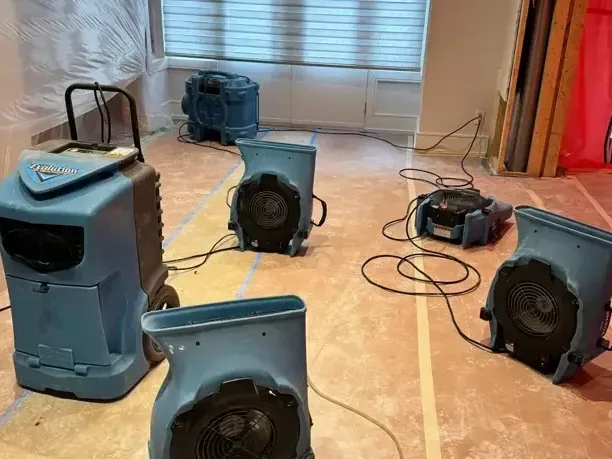 Structural Drying and DehumidificationAir movers and LGR dehumidifiers run until framing, subfloor and concrete read dry against a reference.View service
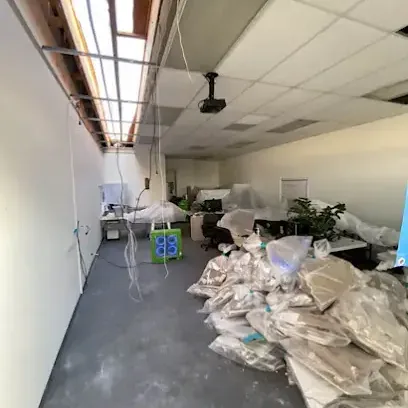 Commercial Water DamageOld Village District shops and newer commercial buildings dried in phases so as much space as possible stays open.View service
Drying a house is measured work. The equipment goes in once the moisture map is done and runs until wet materials come within 2 to 4 points of a dry reference elsewhere in the home.
A thermal camera scans walls and ceilings, then pin and pinless meters confirm which materials hold water behind finishes.
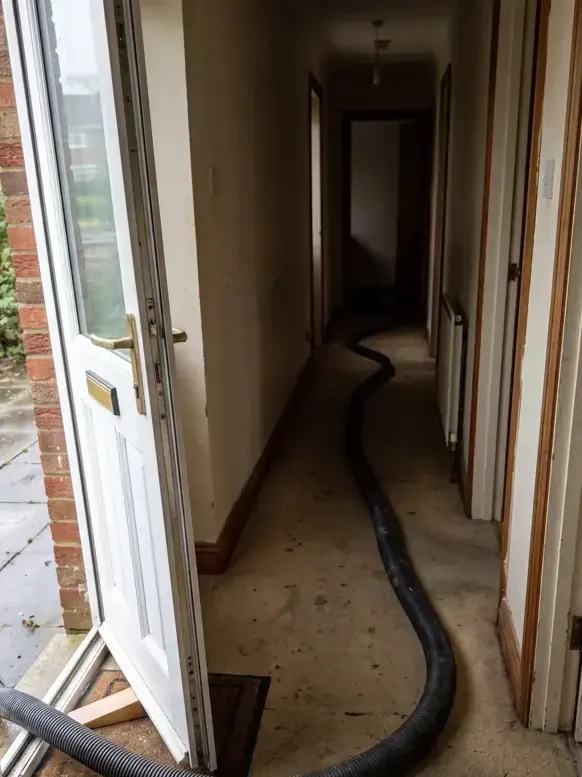
A truck-mounted unit and a weighted wand remove standing water and squeeze carpet and pad, shortening every drying day.
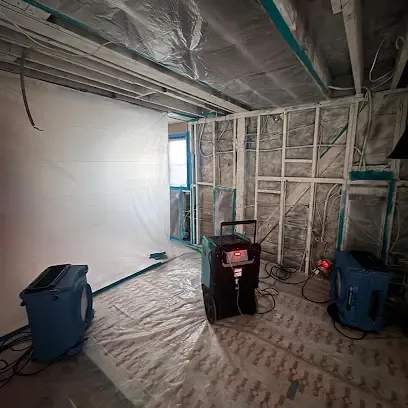
Air movers push air across wet surfaces and LGR dehumidifiers dry that air, with the count set by the class of loss.
A tech reads the same spots every day and logs them, and the equipment leaves only when each one matches the reference.
Most jobs run $600 to $2,500 for a small clean-water leak, $4,000 to $9,000 when a finished lower level is soaked, and $8,000 to $20,000 or more when sewage or runoff reaches finished rooms.
What moves the price most: the water category, the square footage, the material class and how soon drying began. These ranges are typical, not a quote; the cost calculator narrows it down.
Adjusters settle water claims on documentation. The mitigation team records the job while it runs, so the file shows what got wet, where it came from and how long drying took.
Policies usually split water into two kinds: sudden water from inside the house, like a burst pipe or a failed tank, and water from outside, like runoff, which often falls under flood insurance instead.
Backup from a sewer or a septic system is often its own add-on with a separate limit. Read your declarations page, call your insurer early, and treat the claim file as support, not a payment promise.
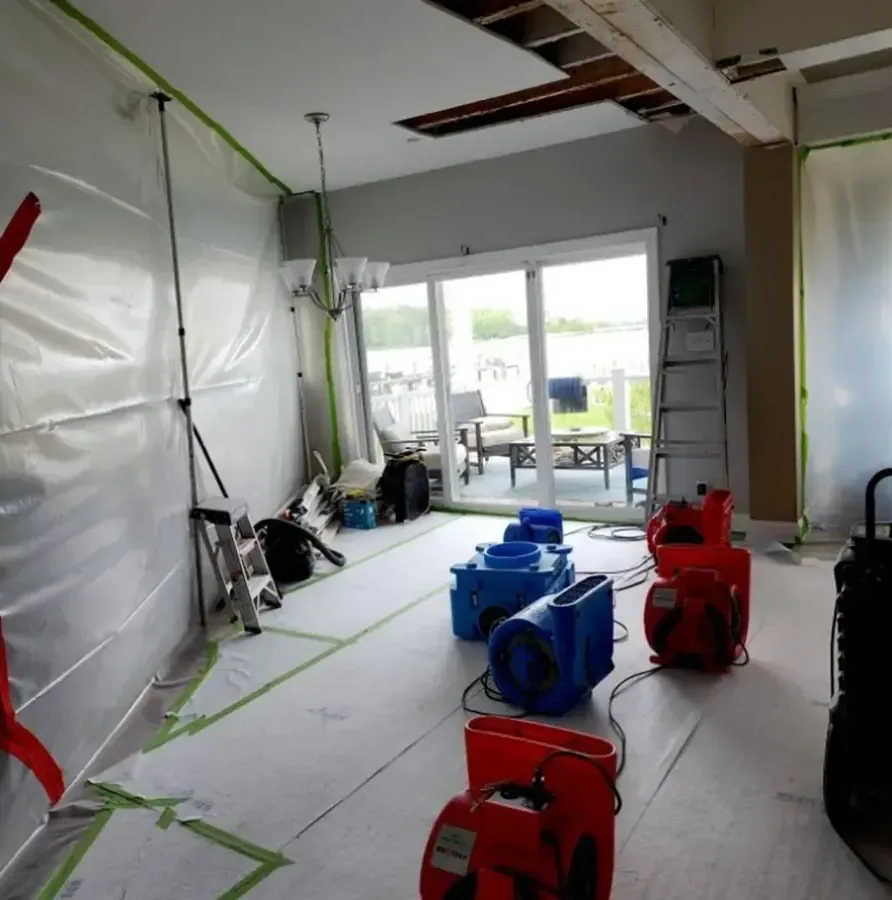
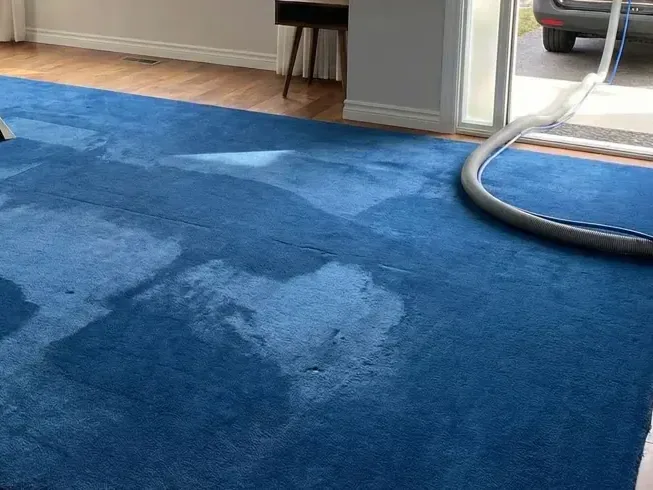
The drying team covers the whole city, from the historic Old Village District and the established subdivisions to the newer sewer-served streets in the west.
A backup in Savona, a split pipe in NorthStar or a ceiling leak near the Tri-Lakes gets the same moisture map and the same drying standard.
Lake Elmo, MN · [email protected]
This city mixes farmland, lakes and new subdivisions between Highway 36 and Interstate 94. Water trouble depends on the street: septic in the older areas, municipal sewer in the newer west, and lakes and ponds throughout.
Older parts of the city are largely still on private well and septic, so a backup can start in the home's own system instead of a city main in the street.
Newer western neighborhoods such as NorthStar and Cimarron Park sit on municipal sewer that runs through an Oakdale sewer nearing its capacity while the new regional connection is built.
Eagle Point Lake, Lake DeMontreville and the Tri-Lakes chain sit inside a stormwater system of ditches, culverts, ponds and storm sewers that carries runoff in heavy rain.
The Valley Branch Watershed District formed in 1968 for flood prevention, after several rainy years brought high lake levels while Tri-Lakes neighborhoods were springing up.
Regional storms, like the March 14 and 15, 2026 storm in the NWS Twin Cities archive, bring the freeze and thaw that splits pipes and builds ice dams.
Spring 2024 to summer 2026 Metropolitan Council Environmental Services is building the Lake Elmo West Connection, a regional sewer north of Interstate 94 that will serve the western neighborhoods.
Skip the reading for now. Close the main valve if it is safe, stop using the drains and call; the response team dispatches 24/7.
(888) 432-4933 (888) 432-4933Ask whether septic or sewer appliesThe response team dispatches around the clock and treats active water as urgent on nights, weekends and holidays. Travel time depends on roads, weather and jobs already in progress, so the best move is to call the moment water appears.
Water that arrives suddenly from inside the house, like a burst pipe or a failed tank, is often covered. Runoff and flooding usually need a separate flood policy, and sewer or septic backup is often an add-on endorsement. Read your own policy.
The cleanup is the same Category 3 process: protective gear, removal of porous materials and an antimicrobial. The cause is different, so a septic contractor checks the tank and drain field while the restoration team handles the house.
A contained Class 1 or 2 loss tends to dry in three to five days. Hardwood, concrete and soaked framing need longer. The equipment comes out when readings reach the dry reference, not when the surface feels dry.
IICRC S500 is the restoration industry's written standard for water losses. It sets how a crew inspects, classifies the water and the class of loss, extracts, dries, monitors each day and stays safe, so drying is measured.
Close the main valve, turn off breakers near wet areas, stop running water down the drains if anything is backing up, photograph the damage before touching it, and get rugs, boxes and furniture up off the wet floor.
Drywall wet with clean water often stays if drying begins quickly. It gets cut out when it swells, crumbles, held Category 3 water, or when meter readings show the wall cavity behind it is not drying. See basement water damage for how lower-level walls are handled.
Sewage carries bacteria and viruses, so it is Category 3 from the first minute. The crew suits up, removes porous materials it reached, cleans and applies an EPA-registered antimicrobial, and dries only after that. More on sewage backup cleanup.
Four things drive the scope: the water category, how many square feet got wet, the material class and how quickly drying began. The itemized scope then prices extraction, removal, equipment days and daily monitoring.
Yes. Heavy rain fills ditches, ponds and storm sewers, and runoff that has nowhere to go can reach window wells, doors and foundation cracks. Runoff is cleaned up as Category 3 water.
The response team dispatches 24/7 across the city, maps the wet areas and dries to the IICRC S500 standard.
(888) 432-4933Get the water out before it spreads