Flood water is not the same as a pipe leak. It arrives with silt, runoff and sometimes sewage, so everything it touches is treated as contaminated. The job is to remove the water, discard what cannot be cleaned, and sanitize and dry what can.
After the water rises
River and Flash Flood Cleanup in Hudson, WI
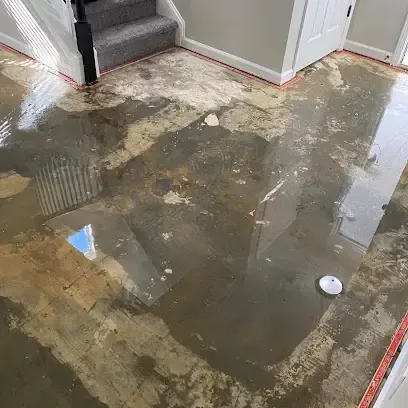
The St. Croix River is the local flood source, and rising water carries silt and bacteria into homes. The crew pumps out the water, removes ruined materials and dries the structure.
(888) 432-4933Call after flood water enters Floodwater pumped out Silt and debris cleared Cleaned and dried
Why it works
Why the dry-out is measured, not guessed
Dispatch at any hour
The response team runs 24/7, and active water is treated as urgent on nights, weekends and holidays.
IICRC S500 drying standard
Moisture mapping comes first, then air movers and LGR dehumidifiers sized to the class of loss.
A claim file built as it happens
Timestamped photos before demolition, a moisture map and daily psychrometric logs go to the adjuster.
Built for cold-climate homes
Basements, sump pits, frozen pipes and ice dams lead the local list, so checks start below grade and at the eaves.
Do this first
What to do first for river and flash flood cleanup
Safe steps for the household while the response team is on the way.
- 1
Power off, stay out. Keep power off and stay clear of water near outlets.
- 2
Pump in stages. Floodwater is pumped out gradually and silt shoveled out.
- 3
Remove the ruined. Carpet, pad, insulation and wet drywall are bagged out.
- 4
Clean and dry. Surfaces are disinfected and equipment dries the structure.
Cost and insurance
What does river and flash flood cleanup cost in Hudson, MN?
Flood cleanup usually costs between $3,000 and $50,000, because contaminated water means more demolition and cleaning than a clean leak. How deep the water got and how long it stayed are the biggest drivers.
Shallow basement water
$3,000 to $8,000
- Pumping and silt removal
- All carpet removed
- Surfaces cleaned
Finished rooms soaked
$8,000 to $20,000
- Drywall removed
- Disinfection
- Daily readings
Deep water, whole level
$20,000 to $50,000
- Full demolition
- Containment
- Extended drying
Ranges are typical, not a quote: category of water, square footage, material class and how fast drying started move the number most. Run the water damage cost calculator for a closer range, and check your own policy for what it covers.
How it works
How river and flash flood cleanup is handled, step by step
1
Pump
Remove floodwater and the silt.
2
Remove
Discard soaked porous materials.
3
Clean
Scrub and disinfect every surface.
4
Dry
Equipment and daily moisture readings.
The full picture
River and Flash Flood Cleanup, explained
The river's flood record
Hudson sits on the St. Croix River. A 2011 Hudson Patch article citing the National Weather Service gives flood stage as starting at 687 feet, with the 1965 record at 694 feet. The near-record spring flood of 2001 destroyed a marina's two buildings and two rental properties.
The river crested in March and again in October of 2010, a reminder that one cleanup does not rule out a second.
How floodwater cleanup runs
- Pumping out the water in stages while the power stays off
- Removing carpet, pad, insulation and wet drywall that touched floodwater
- Scrubbing and disinfecting hard surfaces, then drying the structure
After the water is out
Moisture left in framing is handled through structural drying. Water that comes up through a floor drain is also covered under sewage backup cleanup.
Service area
River and flash flood cleanup across Hudson and nearby communities
Flood cleanup covers the whole city and the village of North Hudson, wherever river or storm water enters a home or business, from the riverfront to historic downtown.
The same service nearby: river and flash flood cleanup in Stillwater, Lake Elmo, Oakdale.
Water still moving? (888) 432-4933
FAQ
River and Flash Flood Cleanup questions in Hudson, MN
Still wet right now?
Flood water inside the house? Contaminated water spreads fast through soft materials.
(888) 432-4933 (888) 432-4933Hudson flood cleanup helpIs flood water always contaminated?
Treat it that way. River and storm water carry silt, runoff and sometimes sewage, so it is handled as Category 3, with porous materials removed rather than dried.
Can carpet touched by floodwater be saved?
Rarely. Carpet and pad that soaked up river water are normally discarded, while hard surfaces and some framing can be cleaned and dried in place.
Does homeowners insurance cover river flooding?
Standard policies often exclude flooding from rising water, and flood coverage is usually a separate policy. The wording decides, so the damage should be documented well.
When should cleanup begin after the river drops?
As soon as it is safe to enter and the power is off. Wet materials left in place can start growing mold within 24 to 48 hours.
Why does the structure need drying after cleaning?
Cleaning removes the contamination, but moisture stays in framing and subfloor. Air movers and dehumidifiers bring those materials back to dry readings.
24/7 emergency dispatch
Get flood water out and the house drying
Tell the crew how deep the water got, what rooms it reached and whether the power is off, and the pumping and cleanup plan follows.
(888) 432-4933Call to start cleanup
Stillwater Water Damage Restoration
Stillwater, MN
(888) 432-4933
Open 24 / 7 / 365
Find us on Google