Standing water does not stay on the surface for long. In Oakdale it soaks into drywall, carpet pad and framing, so the extraction crew removes it first and then checks what the water reached and where it traveled.
Water removal
Water Extraction and Removal in Oakdale, MN
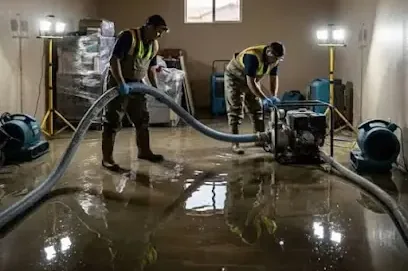
Pumps and extraction wands remove standing water from basements, kitchens and living areas, then the drying team measures what is still wet and sets drying equipment to finish the job.
(888) 432-4933Call to get the water out Pumps and wands Moisture mapping Claim photos
Why it works
Why the dry-out is measured, not guessed
Dispatch at any hour
The response team runs 24/7, and active water is treated as urgent on nights, weekends and holidays.
IICRC S500 drying standard
Moisture mapping comes first, then air movers and LGR dehumidifiers sized to the class of loss.
A claim file built as it happens
Timestamped photos before demolition, a moisture map and daily psychrometric logs go to the adjuster.
Built for cold-climate homes
Basements, sump pits, frozen pipes and ice dams lead the local list, so checks start below grade and at the eaves.
Do this first
What to do first for water extraction and removal
Safe steps for the household while the response team is on the way.
- 1
Find the source. Stop the supply and mark where water has spread.
- 2
Pump it out. Pumps and wands clear standing water from every room.
- 3
Remove soaked materials. Wet pad, baseboard and drywall come out.
- 4
Hand off to drying. Readings decide where air movers go.
Cost and insurance
What does water extraction and removal cost in Oakdale, MN?
Most extraction jobs fall between $500 and $15,000, depending on the affected area, how long the water sat and whether it was clean or contaminated. A written scope sets the figure after moisture is measured.
One room, clean water
$500 to $2,500
- Pump and wand removal
- Moisture readings
- Photo record
Basement or several rooms
$2,500 to $6,000
- Pad and baseboard removal
- Extended drying equipment
- Daily logs
Contaminated or widespread
$6,000 to $15,000
- Disinfecting treatment
- Porous material removal
- Full documentation
Ranges are typical, not a quote: category of water, square footage, material class and how fast drying started move the number most. Run the water damage cost calculator for a closer range, and check your own policy for what it covers.
How it works
How water extraction and removal is handled, step by step
1
Assess
Source and water type identified
2
Extract
Pumps and wands remove standing water
3
Open up
Soaked materials come out for drying
4
Verify
Readings confirm the area is ready for drying
The full picture
Water Extraction and Removal, explained
How extraction works room by room
- Submersible pumps clear deep water, then wands and wet vacuums lift what is left from carpet and hard floors
- Soaked carpet pad and baseboard come out so the floor can dry
- Moisture meters map walls and subfloors for water that is no longer visible
Extraction usually starts on the lowest wet level because water settles there first, and from there the crew works upward and outward, following the moisture readings, with basement water damage work often close behind.
Why the first hours count
Wet drywall and carpet pad begin to break down quickly, and mold can start within a couple of days. Pulling the water out early shortens drying time and reduces what has to be thrown away. Standing water also raises indoor humidity, which slows drying everywhere else in the house.
After the water is out
Once standing water is gone, the drying team moves to structural drying with air movers and dehumidifiers, and the file of photos and readings is ready for the adjuster.
Service area
Water extraction and removal across Oakdale and nearby communities
The extraction crew works across Oakdale, from homes near Tanners Lake to shops along Hadley Avenue North, and starts wherever the water settled first, whether that is a basement, a kitchen or a stockroom.
The same service nearby: water extraction and removal in Stillwater, Lake Elmo, Mahtomedi.
Water still moving? (888) 432-4933
FAQ
Water Extraction and Removal questions in Oakdale, MN
Still wet right now?
Describe the wet rooms and how the water arrived, and the crew will explain the extraction plan.
(888) 432-4933 (888) 432-4933Call about the pooled waterHow soon should standing water be removed?
As early as possible. Carpet pad, drywall and framing start absorbing water within hours, and delay raises both drying time and the amount of material that has to be discarded.
Can extraction be done in a finished basement?
Yes. Extraction wands lift water from carpet and hard floors, and the crew checks walls and the ceiling below for hidden moisture before deciding what has to be removed.
Where does extraction usually begin in a house?
Usually in the basement or on the lowest wet floor. The city says most water meters in Oakdale homes sit in the basement, so a leak at the meter or the supply pipe near it often sends the crew downstairs first.
Is wet carpet saved or thrown out?
Clean-water carpet can often be extracted and dried in place, but the pad underneath is usually removed. Carpet soaked by sewage or flood water is discarded.
Is extraction enough to prevent mold?
Extraction is only the first step. Mold risk falls when the structure is also dried to a measured target, which is why air movers and dehumidifiers follow the water removal.
24/7 emergency dispatch
Standing water gets worse the longer it sits
Tell the response team where the water is and what caused it, and the right pumps and drying equipment are lined up for the job.
(888) 432-4933Call for extraction help
Stillwater Water Damage Restoration
Stillwater, MN
(888) 432-4933
Open 24 / 7 / 365
Find us on Google