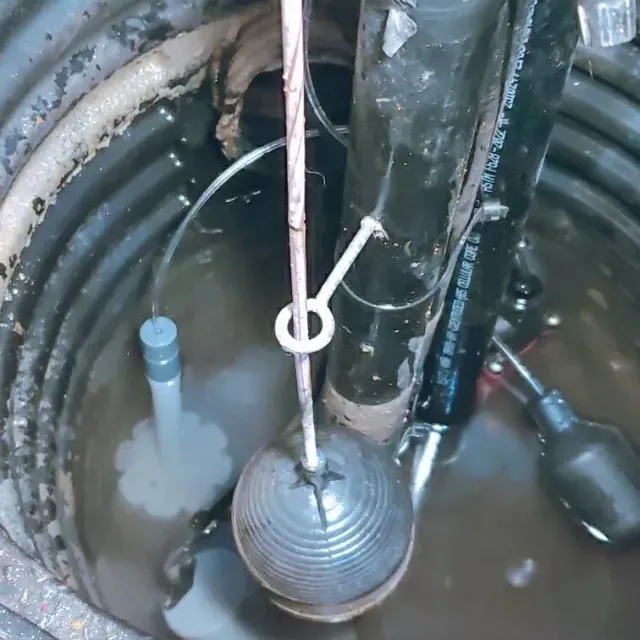
A sump pump has one job, and it matters most on the night the rain does not stop. When the pump quits, water rises in the pit, spills onto the basement floor and works into the walls. In Washington County the cause is often a plain one: a power loss, a stuck float or a pit that fills faster than the pump can empty it.
Key takeaways
- Stillwater averages about 24 inches of rain a year, and Lake Elmo moves runoff through city ditches, culverts, ponds and storm sewers.
- Pumps fail from power loss, a stuck float, a clogged intake or discharge, or sheer volume.
- If water reaches outlets or the panel, power to the basement should be cut from a dry spot before anyone steps in.
- Water from a sump pit is groundwater and runoff, so porous materials it soaks are usually removed.
- A battery backup and a yearly test raise the odds that the pump keeps running.
How a sump pump fails
A sump pump sits in a pit, collects groundwater and pushes it away from the house. During a heavy storm it has to move far more water than it normally sees.
Common causes of failure
Most failures trace back to a short list of causes.
- Power loss during the same storm that fills the pit
- A float switch that sticks or tangles against the pit wall
- A clogged intake screen or a blocked or frozen discharge pipe
- A worn motor that quits after years of service
- A pump too small for the volume that arrives
Signs a pump is struggling
Pumps usually give warning before they fail. A pump that runs nonstop in dry weather, cycles on and off every few seconds or makes a grinding noise is working too hard.
- Running nonstop in dry weather
- Switching on and off in rapid cycles
- Grinding, rattling or humming without pumping water
- Rust, silt or debris collecting in the pit
- Water in the pit that stays high after the rain stops
What heavy rain looks like in Washington County
Stillwater averages about 24 inches of rain in a year, enough to keep a pump busy in any wet season. In Lake Elmo, the city's stormwater fee pays to maintain ditches, culverts, ponds and storm sewers, along with water quality work.
The Valley Branch Watershed District, established in 1968, also does flood prevention and water quality work. The National Weather Service Twin Cities archive lists heavy rainfall and flash flooding on September 21-22, 2016 for its forecast area, and it does not name Lake Elmo, so that date is regional context only.
A pit that overflows in a storm is not always a sign of a bad pump. Sometimes the ground around the house is simply carrying more water than any pump sized for ordinary weather can move.
The first steps when the pit overflows
Safety comes first. Water, outlets and a panel at floor level are a hazard, and the pump itself runs on electricity.
If the pump is dead and the rain is still falling, a temporary pump can hold the level while the cause is found. That is a job for the restoration crew or a plumber, not a reason to wade into the water.
- If water has reached outlets, the panel or appliances, do not step in; have power cut from a dry spot or by an electrician
- If it is safe, check whether the pump has power, the float moves and the discharge pipe is clear
- Move belongings off the floor and photograph the waterline
- Call for water extraction while the weather is still active, since the pit can keep filling
What the cleanup does
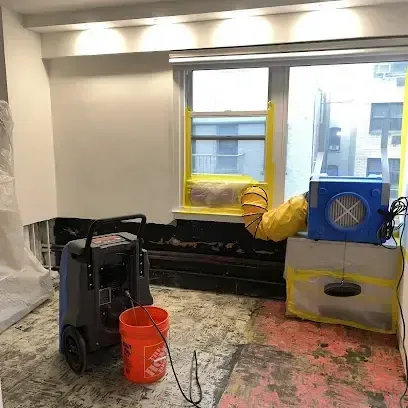
Groundwater and runoff carry soil and bacteria, so water from an overflowing pit is treated as contaminated. The crew pumps the water out, lifts carpet and pad, and opens wall bottoms where readings show moisture.
Finished basements take more work than unfinished ones. Carpet is lifted, baseboards come off and drywall is cut above the highest wet reading, while stored boxes are sorted outside the wet area.
Drying continues until moisture readings return to normal. The same steps apply whether the job is sump pump failure cleanup in town or a basement water damage call on a larger lot.
Town lots and larger lots
Where the discharge ends depends on the lot. On a smaller lot, the pipe should send water away from the foundation and not toward a neighbor's wall.
Much of the land inside Lake Elmo is still farmland, which gives the city a rural look, and a longer discharge run on a large lot can sit exposed to cold and clog.
Backup power, alarms and a yearly test
A few checks cost little compared with a flooded finished basement.
- Test the pump each fall by pouring water into the pit until the float lifts the pump
- Clean the intake screen and check that the discharge pipe empties well away from the house
- Consider a battery backup pump for storms that take the power
- Add a water alarm in the pit or on the floor nearby
- Replace a pump that is showing its age before the wet season
Insurance and paperwork
Many policies treat sump pump failure or water backup differently from other water damage, often as an add-on. The wording is worth reading before the storm, and photos of the pit, the pump and the waterline help afterward.
For rural lots, sump pump failure cleanup works the same way as in town: stop the water, extract it and dry the structure.
- Photos of the pit, the pump and the waterline
- The pump's age and any maintenance record
- Receipts for pumping and drying
- The policy page that covers water backup
Questions
Why does a sump pump fail during a storm?
Common causes are power loss, a stuck float, a clogged intake or discharge pipe, a worn motor or a pit that fills faster than the pump can empty it.
Is sump pit water clean?
No. It is groundwater and runoff carrying soil and bacteria, so it is handled as contaminated and porous materials it soaks are usually removed.
Should anyone step into a flooded basement?
Not if water has reached outlets, the panel or appliances. Power should be cut from a dry spot or by an electrician first.
How often should a sump pump be tested?
At least once a year, before the wet season. Pour water into the pit until the float lifts the pump and check that it empties well away from the house.
Is sump pump failure covered by insurance?
It depends on the policy. Many treat it as an add-on, so the policy wording is worth checking before a storm.
How long can a basement stay wet before damage sets in?
Materials left wet for 24 to 48 hours can start to grow mold, and drywall and carpet pad begin to break down sooner. That is why extraction should begin as soon as it is safe.